


The President of the African Export-Import Bank (Afreximbank), Dr George Elombi, has warned that persistent negative narratives about Africa in the media could reinforce perceptions of the continent as a high-risk investment destination and discourage both local and foreign investors.
Elombi said the media, including traditional broadcasters and social media platforms, had an important role to play in shaping how investors perceive African countries, urging journalists to give greater attention to the continent’s positive developments.
He made the remarks in an exclusive interview with ARISE News on Monday.
The Afreximbank president said continuous negative coverage could damage investor confidence, including among Africans looking to invest in their home countries.
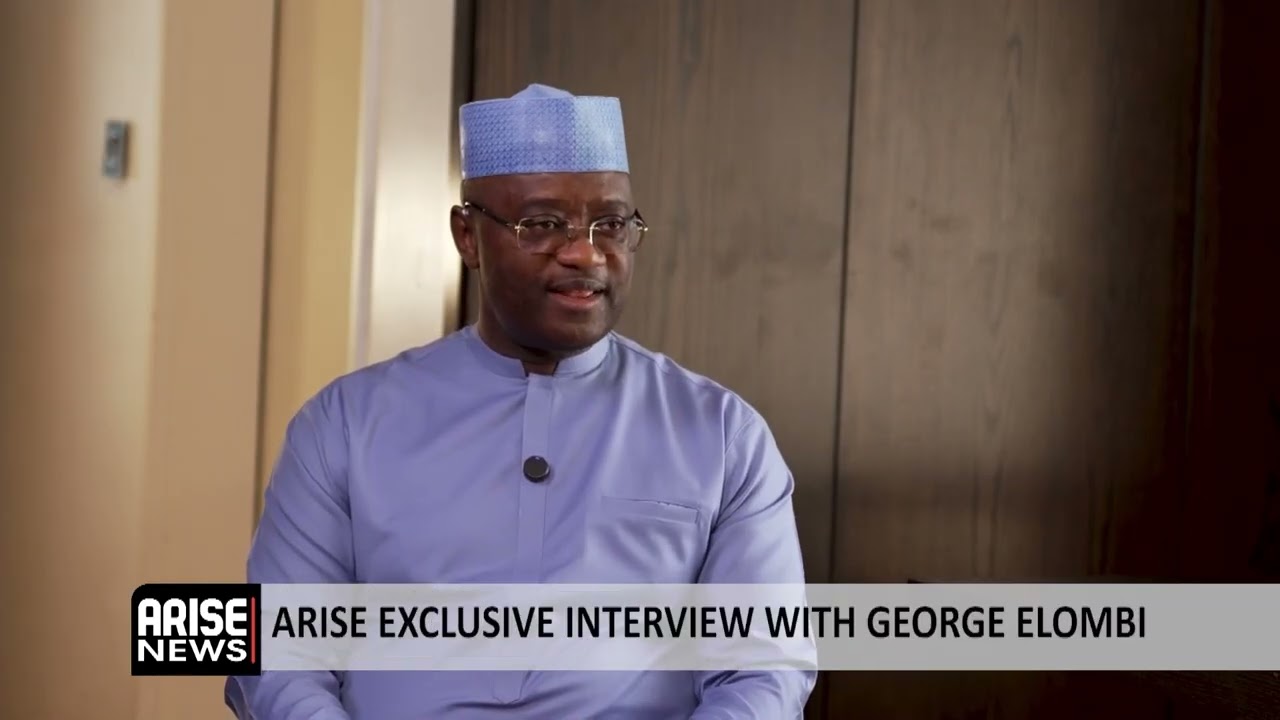
He said, “We also need your people. Perhaps we should have a chat with the journalists. I’d like to come back down here at some point.
“And have a chat with the Nigerian press corps. There is some messaging that has to go out of our communicators. Then the formal press broadcasting entities like you are in ARISE.
“But they’re also in what you call social media. If they go on on the negatives forever, then we would be seen as a risk permanently. Investors will see our continent as a permanent risk.”
Elombi noted that the negative perception was not limited to foreign investors, adding that many Africans also viewed their home countries as risky destinations despite their personal and family connections to those countries.
He said, “Including African investors themselves. And these investors we refer to are not necessarily non-African. A good number of them are Africans from their home countries.
“But they too see their own countries. The countries in which they grew up, where they were educated, where their families live, where they hope to come back at some point later… as high risk.”
He warned that such perceptions had direct financial consequences for African countries, particularly by increasing the cost of accessing funds for investment.
“But that’s not correct. And that high risk perception increases what the bankers call the risk premium. So for the same borrowing to do the investment, you pay more in interest rates.
“You pay more in many other ways. Unless we change that narrative. And see the continent in the positive light,” he said.
Using the Dangote Refinery as an example, Elombi said major African investments could help change perceptions about the continent’s economic potential and entrepreneurial capacity.
He said, “As you could see, the Dangote refinery is completely transforming the image of what people think of Nigeria and African entrepreneurship. So can we move that to some other things? And focus on the positives as well sometimes.”
He urged the media to give greater visibility to positive developments across Africa, stressing that how the continent is portrayed could influence investment decisions and its broader economic prospects.
Faridah Abdulkadiri
Follow us on:


