


The Minister of Works, David Umahi, has defended the Lagos Coastal Highway against claims that it is responsible for increased flooding in parts of the state, insisting that the project is designed to mitigate—not worsen—flooding.
Speaking during an exclusive interview with ARISE NEWS on Tuesday, Umahi said the highway incorporates extensive drainage infrastructure, including multiple culverts and evacuation channels, to protect surrounding communities from ocean surges and improve flood management along the coastal corridor.
“One thing is very certain: if you look at the corridor before the construction, you will see flooding. You see flooding! What is happening with the coastal highway is that before it was built, the ocean would surge and throw water directly into the residences, especially in the northern part of the highway corridor. But with the level of the coastal highway, through the EIA and very intelligent design, we’ve been able to raise the road to a mitigated level.
“But what has the coastal highway done to address that? On the coastal highway, you see multiple culverts. When you come within this corridor, you see about 10 different evacuation channels.
“So what the coastal highway has done is two things. One, it has prevented the water from the ocean surge from moving from the southern part of the highway over to the residential areas on the northern side. Two, to address the low-lying land within the southern part of it, we have introduced multiple culverts. In fact, you have culverts at about every 50 meters going through from the southern part to the northern side, where you have a number of evacuation corridors. So it is fixing the flood issue,” he explained.
Umahi also dismissed criticism from commentators linking the highway to recent flooding, saying many people were drawing conclusions without technical knowledge.
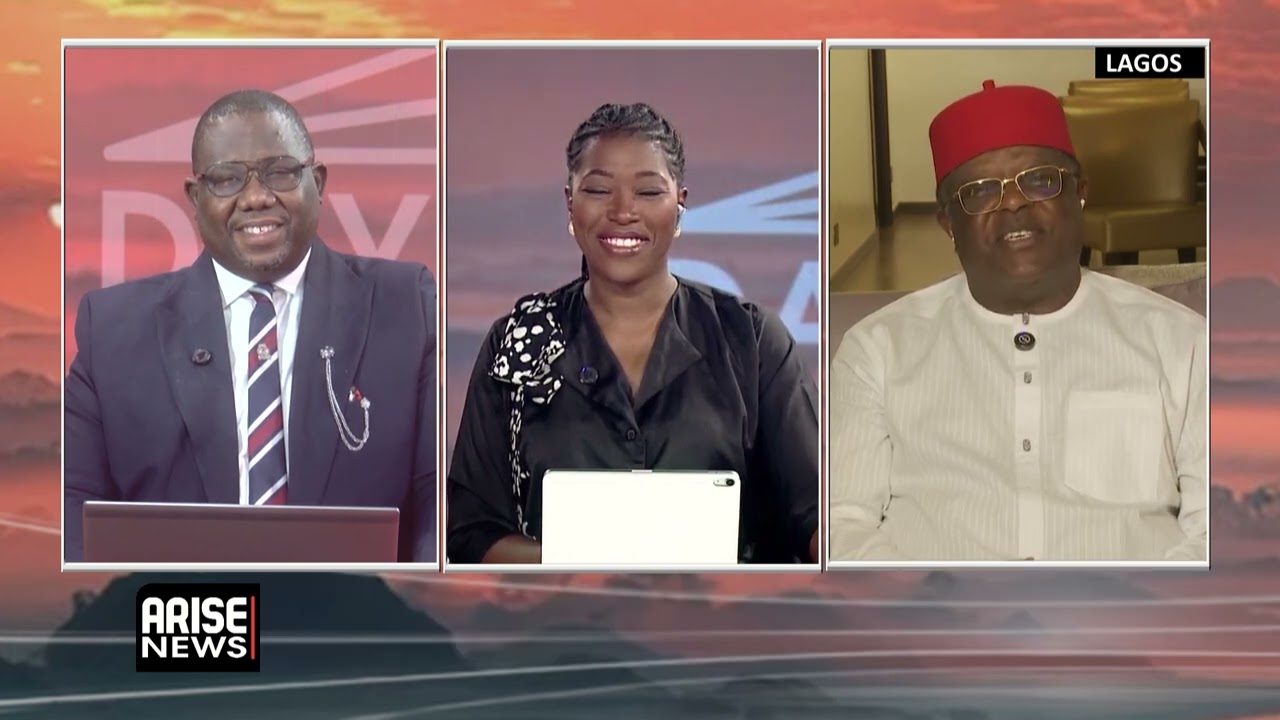
He said the ministry’s Environmental and Social Impact Assessment (ESIA) had already been made publicly available and maintained that flooding along the corridor existed long before construction of the coastal highway.
Citing historical flooding in Victoria Island, he argued that the area had experienced severe inundation years before the project was conceived.
“It is in this country that in the name of being a ‘content creator,’ everybody becomes an engineer and a financial expert.
“Our Environmental and Social Impact Assessment (ESIA) should be in the possession of everyone as far as the EIA is concerned.
“Let’s take the history of flooding in VI far back when President Bola Ahmed Tinubu was governor. You will find out that in VI, during the peak of the rains, nobody could go to work. VI was almost submerged. It took the audacity of one man, President Tinubu, working with Hi-Tech, to arrest that situation. Was there a coastal highway at that time? Flooding almost took VI.
“Within the next 30 years, no matter the level of climate change, the ocean will not come to the level of the road. So it has nothing to do with that. There are a lot of factors concerning flooding in Lagos and within this corridor,” he argued.
Speaking on the highway’s flood management design, Umahi said the drainage system was engineered to channel stormwater through multiple culverts into the lagoon, in line with Lagos State’s flood evacuation strategy.
“The design for flood evacuation in Lagos State is that you drain the surroundings into the lagoon, and then the lagoon flows into the ocean by reason of height differences. So, we have multiple culverts going from the southern part of the coastal highway to the northern part, which are then evacuated through channels going into the lagoon,” he explained.
He, however, attributed persistent flooding in some areas to human activities, alleging that blocked culverts, clogged manholes, indiscriminate waste disposal and construction on natural water channels were compromising the effectiveness of the drainage infrastructure, insisting that the project’s ESIA addressed environmental concerns and insisted the coastal highway was designed to mitigate flooding, not cause it.
“But what is actually happening is that there is a very high level of unpatriotic tendencies among the residents. There is so much sabotage. People are blocking the manholes. People are blocking the culverts. People are dumping refuse. You cannot eat your cake and have it back. It is up to the residents to understand that you are building on water channels, you are blocking the manholes, you are dumping refuse inside them, and you are blocking the culverts we built.
“It’s a very beautiful design. The EIA addressed everything. The Ministry of Environment saw it yesterday. There are so many procedures required before you can obtain an EIA certificate, and the final certificate will come at the end of construction, which is being processed now. Why? Because all issues must be fully addressed before the final certificate is issued. But don’t forget that this EIA was also subjected to international scrutiny during an engagement held right here in Lagos, and it was adjudged the best.
“The coastal highway is actually addressing flooding within this corridor, not causing it,” he emphasised.
Speaking on the federal government’s road infrastructure programme, Minister Umahi said President Bola Tinubu’s legacy highway projects were driving investment, creating jobs and boosting economic activity.
“These projects are not just road projects; they are investment-driven projects. We are in that process. So when we speak on this, it’s beyond creating jobs or increasing commerce; it is a catalyst for the Lagos people. So, it is investment-driven and creating jobs. These legacy projects are creating over 100,000 jobs. Go to any of the sites. You will see people selling corn, akara, chips, sand, and rods. It is all local content. It also helps stabilize the Naira. The President brought in this reinforced concrete pavement instead,” he said.
He added that the first section of the Lagos-Calabar Coastal Highway had attracted interest from concessionaires, while construction on the Sokoto-Badagry Superhighway was progressing steadily.
“Aside from the Lagos-Calabar axis, you have the Sokoto-Badagry road, which is 1,068 kilometers. The Sokoto section is 120 kilometers by six lanes. That project, surprisingly and to the glory of God, is about 60% done. Unbelievable, despite all the security challenges. Then you have the Kebbi section, which is 258 kilometers by two, and that project is about 30% done. The President has a very fair attitude in the distribution of infrastructure,” he concluded.
Favour Odima
Follow us on:


