


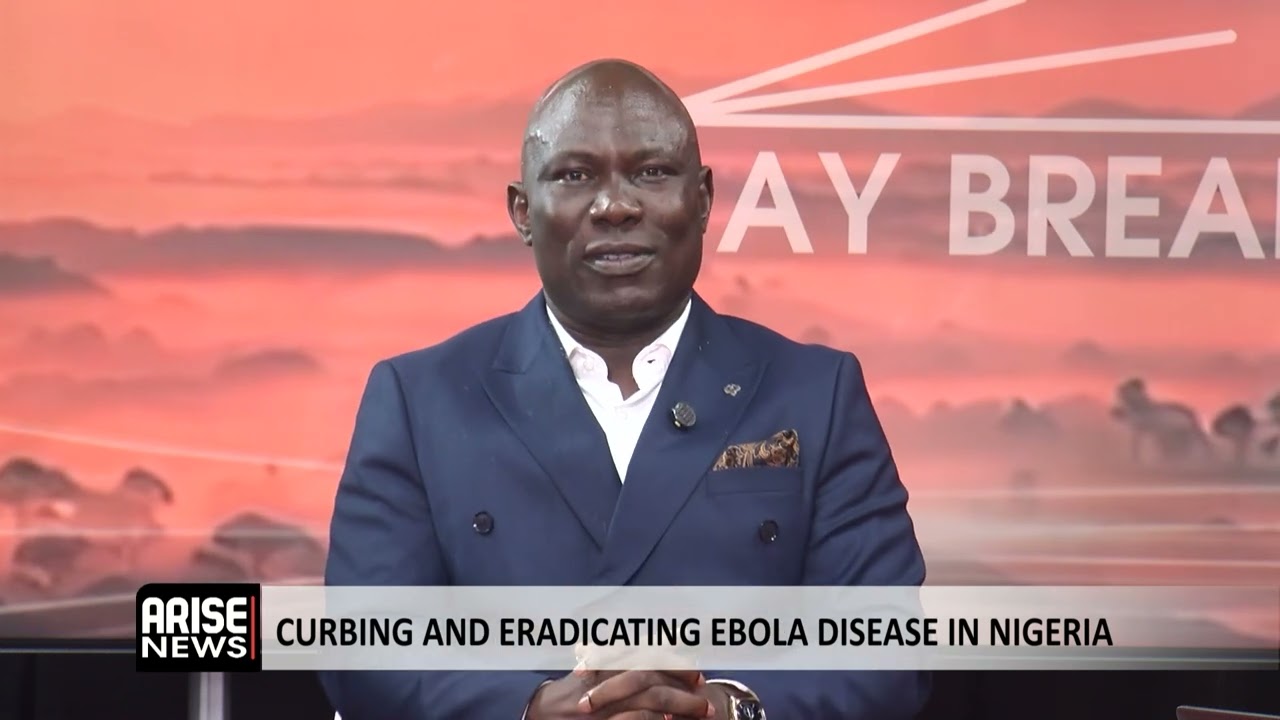
Nigeria must strengthen its preparedness for Ebola by ensuring healthcare facilities are ready to respond, providing protective equipment for health workers and improving public awareness, Stephen Oricha, Deputy Director of Medical Laboratory at the University of Abuja Teaching Hospital, has said.
Speaking during an interview with Arise News on Thursday, Oricha said Nigeria must prepare for disease outbreaks before they occur, rather than wait until cases emerge before activating response measures. He also raised concerns about healthcare funding, the condition of existing laboratories and the need to sustain lessons from the COVID-19 pandemic.
His comments come as health authorities monitor 44 contacts linked to Nigeria’s confirmed Ebola case, while Uganda maintains that it has no active Ebola infections following reports that the patient travelled through the country.
Nigeria Must Prepare Before An Outbreak
Oricha questioned Nigeria’s level of preparedness, saying the country must take preventive measures before an outbreak occurs.
“Preparation is not when there is an outbreak. It is something you do before an outbreak,” he said.
He also expressed concern about public understanding of Ebola, referring to comments by lawmakers who reportedly expressed fears about visiting airports for inspections because of the risk of infection.
Oricha urged Nigerians not to panic, explaining that Ebola is transmitted through direct contact with the blood or other bodily fluids of an infected person.
“There is truly, absolutely no need to panic,” he said.
He advised Nigerians to practise basic personal hygiene, wash their hands regularly and exercise caution when visiting people in hospitals. He also stressed the importance of reporting suspected symptoms promptly for medical assessment.
Hospitals Need Protective Equipment
Oricha said healthcare facilities must have adequate personal protective equipment, including gloves and hand sanitisers, to reduce the risk of infection among health workers and patients.
He warned that infected healthcare workers could expose others to the virus, making infection prevention particularly important in hospitals and primary healthcare facilities.
“One health worker that is infected, I won’t want to call it more dangerous, but people are more at risk when the health worker is infected,” he said.
He urged healthcare professionals to apply appropriate screening and triage procedures when attending to patients, while taking precautions without stigmatising anyone.
Oricha also called on the government to ensure protective equipment was available beyond major hospitals, particularly at local healthcare facilities where patients regularly seek treatment.
Nigeria Must Activate Existing Laboratories
Reflecting on the COVID-19 pandemic, Oricha said Nigeria had gained experience in responding to health emergencies but questioned whether the lessons had translated into sustained preparedness.
He said some isolation centres and laboratories established during the pandemic remained in place, including facilities at his hospital, but stressed that their readiness to handle Ebola needed to be assessed.
“The question we need to start asking is, how functional are they?” he said.
Oricha urged authorities to identify and activate laboratories capable of testing for Ebola, particularly in states with international airports, to strengthen the country’s ability to detect and respond to possible cases.
He criticised what he described as a reactive approach to health emergencies, in which authorities respond to a crisis but fail to maintain preparedness afterwards.
“We’re a fire brigade nation. Things come, we take care of it, it is done. Then we go to the cooler and waiting for the next outbreak to stare us in the face,” he said.
Health Funding and Public Gatherings
Oricha also questioned whether funds allocated to the health sector were being released adequately to support healthcare delivery, arguing that budgetary provisions alone would not improve services if resources failed to reach health institutions.
“A sick nation can never be productive,” he said, calling for greater government commitment to healthcare funding.
With political campaigns and large gatherings expected ahead of the 2027 general elections, Oricha acknowledged that people would continue to assemble but urged them to take personal precautions.
“People will gather. We will gather. But people should just be cautious and take personal responsibilities for themselves,” he said.
Meanwhile, Coordinating Minister of Health and Social Welfare Muhammad Pate said contact tracing was ongoing, with 44 contacts identified for monitoring. They include healthcare workers, patients, caregivers and travel contacts who may have been exposed.
Uganda’s Ministry of Health has maintained that the country has no confirmed active Ebola cases following reports that the infected woman travelled through its territory after visiting eastern Democratic Republic of Congo.
Investigations are continuing to establish where the woman contracted the virus and whether others may have been exposed during her journey.
Ademide Adebayo
Follow us on:


