


Former Delta State Commissioner for Information, Chike Ogeah, has said the late former Governor Emmanuel Uduaghan considered his free healthcare initiatives for pregnant women and children his greatest legacy in office.
Ogeah said Uduaghan placed greater value on the lives he helped save through healthcare interventions than on the roads, airports and other infrastructure projects delivered during his administration.
Speaking during an interview on ARISE News on Wednesday, Ogeah recalled how the former governor described the impact of his maternal and child healthcare initiatives when asked about his legacy.
“If you had asked him, Oga, what was your legacy? He would say, it’s that woman who could not have a baby because of X, Y, Z, or that child that, you know, did not have a chance to live. Because he had this mother and child initiative, and the free health initiative for pregnant women to have a all of that. And that, he felt was his greatest, not even the physical infrastructure things, the roads and all those he did,” he said.
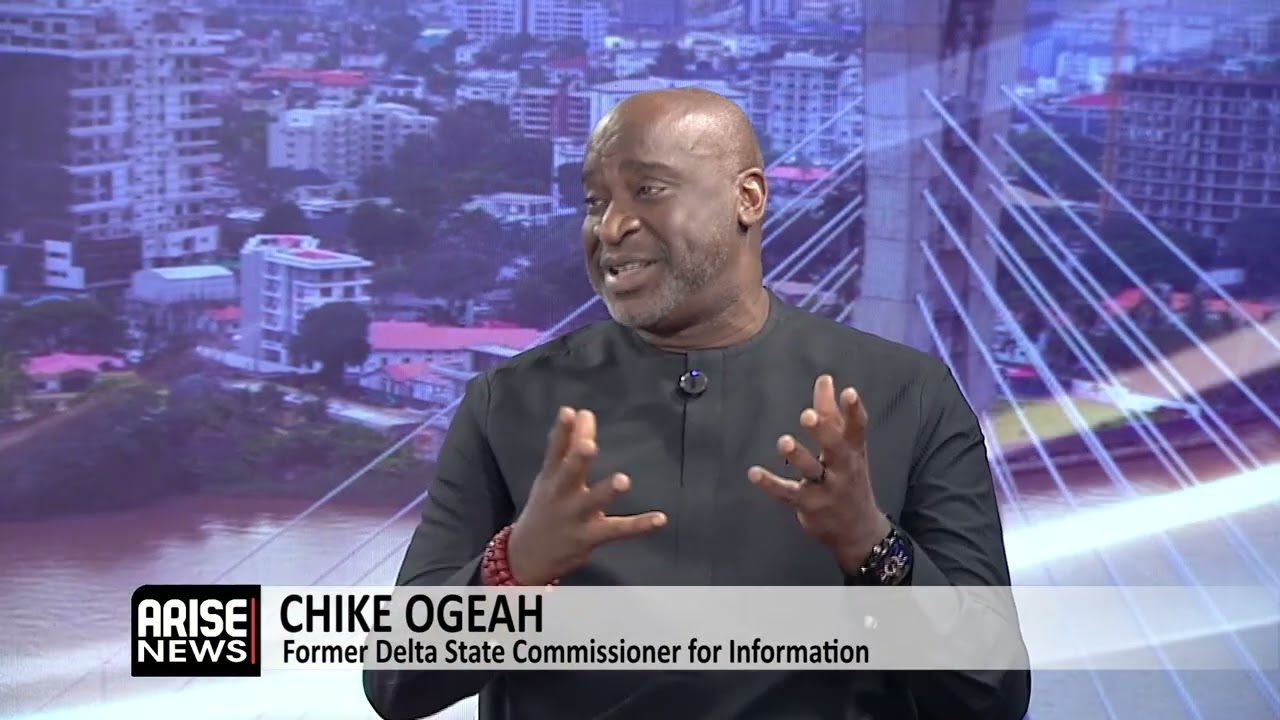
He added that the former governor found his greatest satisfaction in the impact of the programmes on people who needed medical care.
“He felt that was the greatest thing he did. And that was the most satisfying to him, you know,” Ogeah said.
Ogeah attributed Uduaghan’s commitment to healthcare to his background as a medical doctor, describing him as a compassionate and intelligent man.
“And like you said, that came from that compassionate background of him being a medical doctor. But you see, he was this kind of medical doctor that had the knowledge of almost everything, very intelligent man, you know, extremely kind, but yet so calm,” he said.
Beyond healthcare, Ogeah highlighted the Asaba Airport as one of Uduaghan’s major infrastructure legacies. He said successive administrations had continued to develop the facility, which he described as a significant achievement for the state.
“So Asaba airport now is a 24-hour airport. Up to when we left, it was still a daylight airport. So successive regimes, the Okowa regime, now the Sherif regime, they’ve all continued and kept on improving on what he left.”
Ogeah also recalled Uduaghan’s ability to maintain his composure during a difficult period in office, including a court judgment that removed him from office ahead of his re-election.
He said the former governor remained calm despite the political challenges and the criticism he faced from people who had previously worked with him.
“What I liked about him was that in all of that, he had no bitterness towards anybody. He was always just calm. You know, he never raised a voice at anybody.”
Ogeah further lamented the difficulties surrounding Uduaghan’s succession, saying the political dispute affected the former governor’s departure from office. He recalled that Uduaghan and his successor had shared a close relationship before political differences emerged.
“But like I said, it was a pity there was that succession issue when he was leaving, and that, you know, didn’t let him have a good exit.”
Despite those challenges, Ogeah said Uduaghan’s ability to bring people together remained an important part of his leadership legacy.
“He had that uncanny ability to make everybody comfortable, to bring disparate forces together, that by the time you all end up, you all are now like brothers walking together, just because of the force quietly behind.”
Faridah Abdulkadiri
Follow us on:


