


The Director, Abuja School of Social and Political Thoughts, Dr. Sam Amadi, has described the Federal Government’s ₦60 fuel price reduction as a face-saving strategy, arguing that it is a weak response to Nigeria’s growing economic hardship and political crisis.
Recall that the Federal Government recently announced a 30-day petrol discount window at Nigerian National Petroleum Company Limited (NNPC) retail stations nationwide as part of a 10-point intervention unveiled by the Minister of Finance and Coordinating Minister of the Economy, Taiwo Oyedele, in Abuja. Under the initiative, NNPC Retail will forgo its profit margin and sell petrol at cost price to ease the impact of global oil price shocks, with the estimated reduction put at ₦60 per litre.
Oyedele clarified that the initiative was not a return to the fuel subsidy regime but a temporary margin discount, initially scheduled to last 30 days. Although the discount is available to the general public, commercial public transport operators will receive priority at filling stations, with the government aiming to reduce their operating costs and ultimately ease transport fares for commuters.
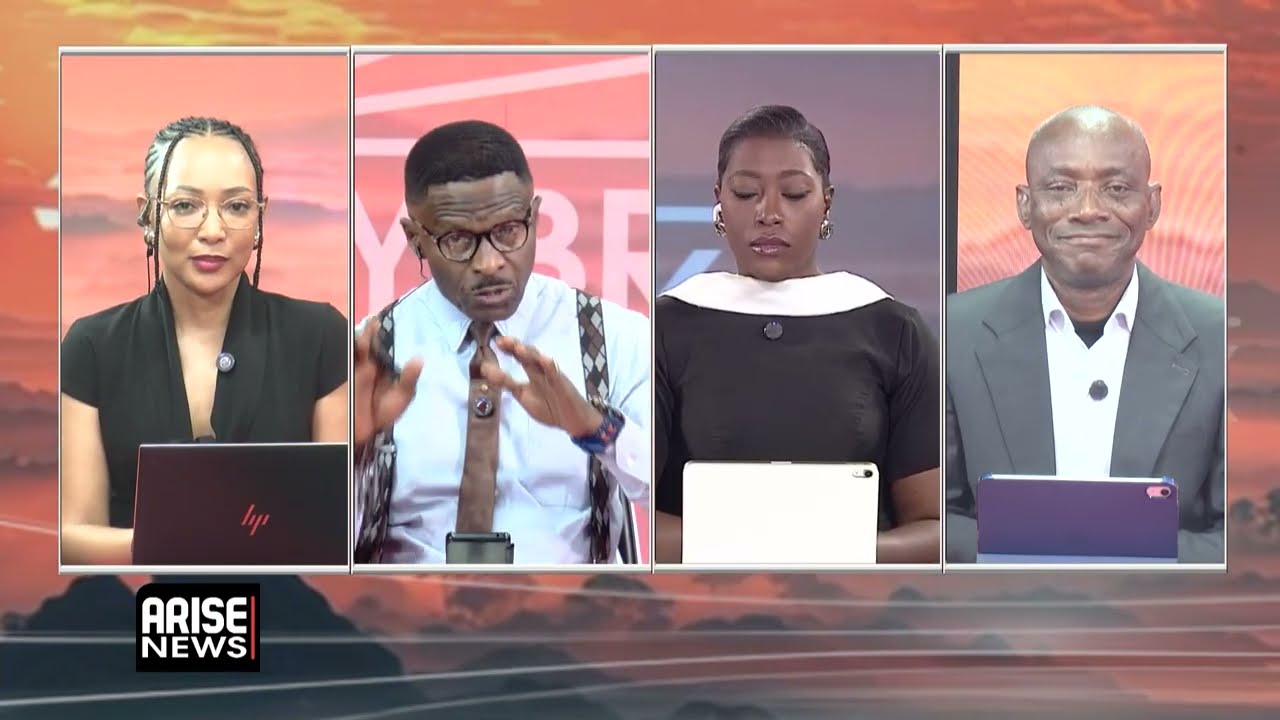
Speaking in an interview on Arise News on Friday, Dr Amadi, that the government’s approach to subsidy removal, alongside the removal of electricity subsidies and the floating of the naira, had contributed significantly to the country’s cost-of-living crisis.
“First, I think it’s a face-saving strategy. Again, the government has been too late, too little. The World Bank recently came back to subsidy as a tool. So the government’s religious taboo around subsidy was a wrong idea.
“Secondly, it’s clear—as Atiku and others have argued—that the drastic, reckless manner in which subsidy was removed, compounded with the removal of electricity subsidies and the floating of the naira, is the source of the current cost of living crisis. The government felt it. But more importantly, the messaging from Atiku and others has created political difficulty for this administration.
“This response today basically does not have much weight in terms of impact, but optics-wise, it was designed to respond to the crisis in Northern Nigeria, where it looks like people are buying into the message of ‘bring back our subsidy.’ So the government is adopting a new playbook of optics—the ₦60 reduction at NNPC for transporters.
“Apart from the crisis it creates in terms of administration of that policy, it’s a weak afterthought to respond to what is becoming a major political crisis, especially in Northern Nigeria,” Dr Amadi said.
Speaking on the implications of the intervention for the Petroleum Industry Act (PIA), Amadi argued that the government could make fuel more affordable through targeted subsidies and measures to address inefficiencies in production, transportation and logistics without undermining market forces. He added that the intervention appeared partly driven by political considerations ahead of the 2027 elections.
“The government has created a crisis for themselves in this context. The minister says this is not the government regulating price; he says this is creating a top level so price doesn’t exceed it. So it’s not like imposing price or price control, but setting a regulatory cap. But look at the point: there are many models for price control or pricing. There are many tools for you to ensure that price remains affordable.
“The government is running into trouble regarding the PIA. Don’t forget that we haven’t reached full-scale implementation; there are still a lot of blind spots. In this case, they’re responding to politics, and maybe they should, because this is bound to be a major issue going into 2027.”
Dismissing the ₦60-per-litre reduction as insignificant, Amadi argued that the intervention was unlikely to lower transport fares or meaningfully ease Nigerians’ economic hardship, describing it as politically useful but economically ineffective.
“This government is smart. The state governors don’t want subsidy back because their fiscal buoyance depends on it. So if it’s ₦60 only for NNPC for transporters, the fiscal impact is almost nothing to the government. At the same time, they hope to play a political game: less fiscal loss, more political gain. But it’s nothing.
“Will transport costs change tomorrow? I predict they will not change. As a matter of fact, it’s so insignificant that you might even see some transport costs going higher as people respond to it disproportionately. I don’t think this is going to touch the lives of the people. Politically-economically speaking, it’s meaningless. Politically, maybe marginally useful.”
Favour Odima
Follow us on:


