


Nigerian artificial intelligence researcher and winner of the 2026 Nigeria Prize for Science and Innovation, Mary-Brenda Akoda, has said healthcare innovation can only transform lives when it reaches the people who need it most, as she works towards deploying her GenScan AI technology in hospitals.
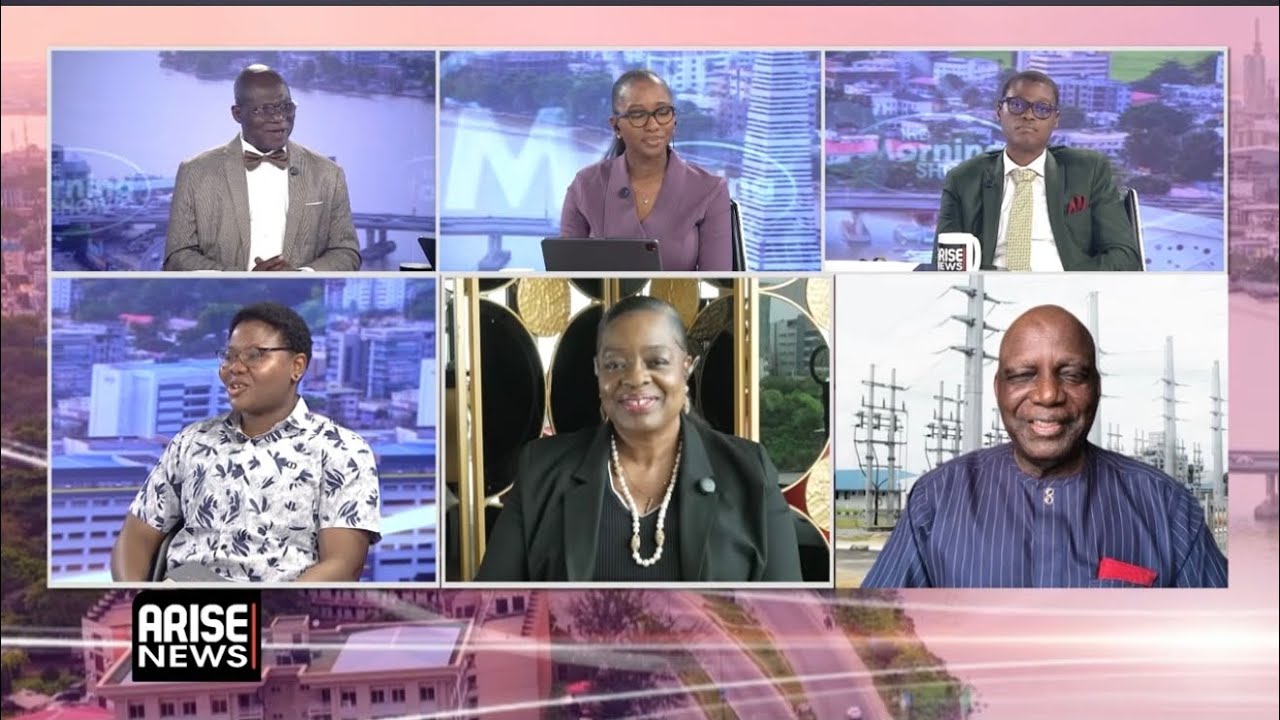
Akoda made the statement during an interview on ARISE News on Friday, following her emergence as the winner of the $100,000 prize organised by Nigeria LNG Limited (NLNG).
Her innovation, GenScan AI, is designed to reduce magnetic resonance imaging (MRI) scan time by up to 90 per cent, potentially enabling hospitals to examine more patients without purchasing additional scanners.
Explaining the motivation behind the technology, Akoda said the death of an elderly loved one following a stroke exposed her to the consequences of delays in medical diagnosis.
“About three years ago, an elderly loved one, sadly, suffered a stroke.
“And if you’ve had someone or known someone who has experienced that before, every second counts. And the difference between life and death can be how quickly a patient gets diagnosed. And unfortunately, in this case, the cues were long, and his condition deteriorated, and soon after he passed away.”
She said the experience, alongside a personal experience she later had, drew her attention to the challenges facing the healthcare system.
“And that experience, along with a personal experience I later had as well, opened my eyes to how slow and overburdened the healthcare system is. And when you wonder why is something as important as medical diagnosis taking so long, and you look on the other side of things, you find that an MRI is incredibly powerful, but also incredibly slow.”
Akoda explained that MRI examinations could take between 15 minutes and an hour and a half, requiring patients to remain still throughout the procedure. Movement could result in blurred images and the need to repeat scans, while sedation could introduce additional health risks, particularly for children and infants.
She also identified the high cost of MRI equipment as a major barrier to expanding access to medical imaging.
“But then clinicians can only take a limited number of patients because the scanners, a high quality one, cost anywhere from $1.5 million to up to $3.5 million and above, depending on the model.”
Akoda said her goal was to improve the capacity of existing scanners rather than rely solely on hospitals acquiring more expensive equipment.
“So all these questions then came about, okay, if this is the case and we can’t get more scanners because that’s not feasible, how can we make the scanners we already have do more for patients?”
The researcher said GenScan AI had been retrospectively validated using more than 8,800 MRI images. She added that a consultant radiologist had conducted an independent assessment of the technology.
“We had previously retrospectively validated this on over 8,800 MRI images and had a consultant radiologist who did an early independent assessment, a blighted assessment, and scored the gen MRI scans. So, gen MRI is the technology as diagnostically equivalent to the conventional MRI in the cases that he assessed.”
However, she said further validation and regulatory approval were required before the technology could be adopted for clinical use.
“Now it’s about doing that on a broader scale to be able to get regulatory approval and be able to take this to clinical adoption.”
Akoda said she was working with radiologists, hospitals and regulators to advance the technology, with deployment targeted for the second half of 2027.
“I would say the main challenge is getting this to hospitals and patients as quickly as we would like. So, we are actually targeting the second half of next year, but that currently we are working with radiologists and hospitals and regulators to be able to do the same thing that we’ve shown in the lab.”
She also called for support from healthcare and innovation funders to accelerate the process, saying the response to her public presentation in Abuja had been encouraging.
“For this, we need all hands on deck, including the health and innovation funders. And we have already gotten an encouraging reception following my public presentation in Abuja. The Minister of Education has started to facilitate other hospitals across Nigeria coming aboard for a national pilot.”
Akoda said the technology’s value would ultimately depend on its ability to reach patients who currently face barriers to timely diagnosis.
“Ultimately for us, a healthcare innovation is only transformational when it gets to reach the people that need it most. So, we are working towards that.”
Chairman of the advisory board of the Nigeria Prize for Science and Innovation, Professor Barth Nnaji, said the award recognised innovations that had demonstrated practical results and could deliver benefits to Nigeria.
“This award is made for any kind of innovation that has reached its finality. It’s not given for basic research, it’s given for something that has already proven to work.”
Nnaji said the technology could improve access to MRI scans in parts of Nigeria where the cost of equipment had limited availability.
“So it would mean that there will be more access to MRI by people of Nigeria because machines are not readily available in the country.”
General Manager, External Relations at NLNG, Dr Sophia Horsfall, said the Nigeria Prize for Science and Innovation was intended to recognise solutions that could contribute to the country’s development.
“Indeed, it’s all about impact. The Nigeria Prize for Science and Innovation, this is what it’s about, recognising talent, recognising solutions that are of benefit to Nigeria.”
She said NLNG hoped Akoda’s achievement would encourage other innovators to develop solutions to pressing national challenges and help their work gain wider recognition.
“We’re very proud of our current winner for 2026, and we hope that it will inspire really other innovators in Nigeria or even beyond to address solutions that are much needed in this great country.”
Faridah Abdulkadiri
Follow us on:


