


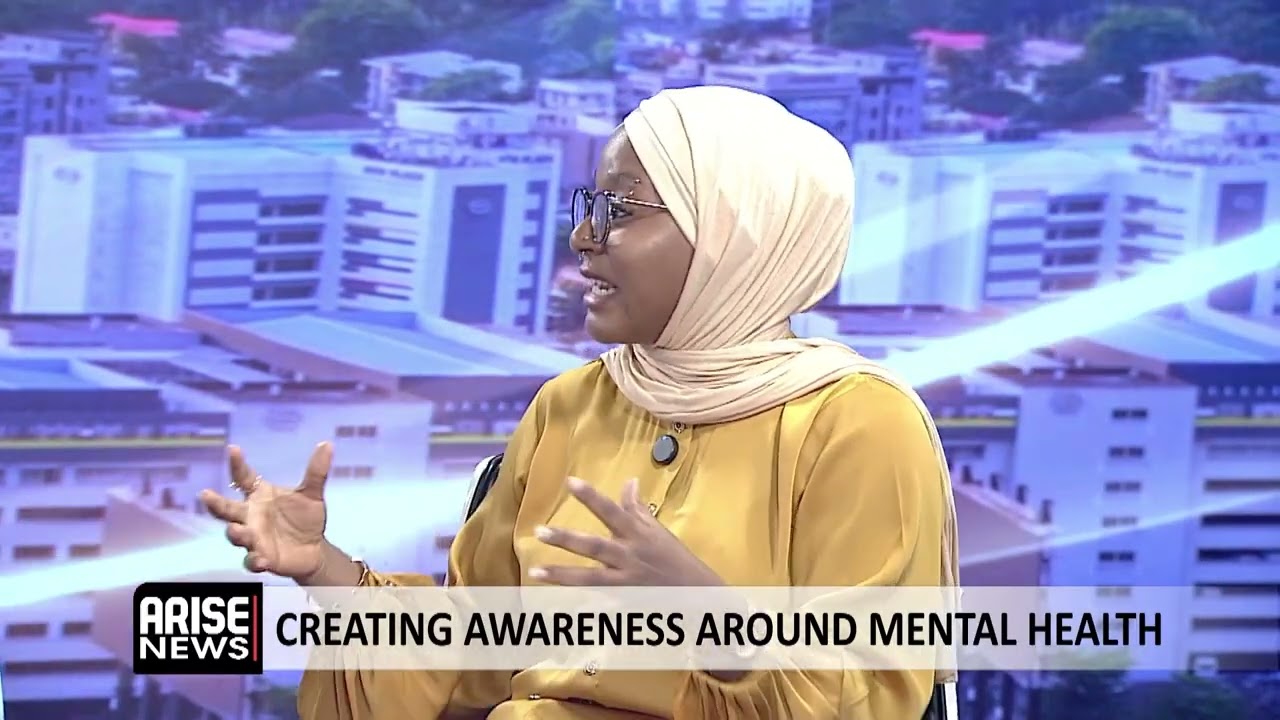
The founder of She Writes Woman, Hauwa Ojeifo, has described Nigeria’s mental health legislation as a landmark development that has begun to shift public perception and policy attention, even as significant gaps remain in implementation and access to care.
Speaking in an interview with ARISE NEWS on Friday regarding the impact of the mental health law, Ojeifo noted that its passage has provided many Nigerians with a renewed sense of hope and validation.
She emphasised that the law represents more than a legal framework; it signals growing political will to address a long-neglected issue. However, she stressed that the translation of policy into everyday reality, particularly for underserved communities, remains limited.
Ojeifo also highlighted the crucial role of civil society and private organisations in bridging service gaps, explaining that legal frameworks alone are insufficient without coordinated action. Through She Writes Woman’s 24/7 mental health helpline, the organisation has recorded over 25,000 calls, revealing alarming patterns in mental health needs across the country.
One of the most striking findings, she said, is that one in two callers present with suicidal ideation. The majority of those seeking help are young people aged between 18 and 30, with women more likely to reach out earlier, while men tend to seek help only at crisis points.
Geographical patterns also reveal disparities in awareness and access. The South-West records the highest number of calls, which Ojeifo attributes not necessarily to higher prevalence of mental health conditions but to greater mental health literacy and awareness. In contrast, over half of callers from the North-Central region report suicidal ideation, a trend she described as deeply concerning and worthy of further investigation.
The South-South region, meanwhile, shows higher reports of gender-based violence, accounting for more than 20% of distress cases in that area. Ojeifo linked some of these trends to broader societal disruptions, including the COVID-19 pandemic and lockdown period.
Across all demographics, she identified three dominant drivers of distress: financial hardship, familial conflict, and relationship or marital strain. These, she explained, often intersect with broader economic and social pressures, intensifying emotional vulnerability.
She further underscored the importance of accessibility in mental health care, pointing to barriers such as cost, stigma, and distance. To address this, She Writes Woman has prioritised low-resource interventions, including a free, confidential toll-free helpline (0800 800 2000), available 24/7, now expanded to include multilingual and faith-sensitive support options.
She concluded by highlighting the economic value of mental health investment, noting that for every one naira spent on their interventions, an estimated eleven naira in social value is generated, alongside significant cost savings for individuals who might otherwise face expensive private care.
Melissa Enoch
Follow us on:


