


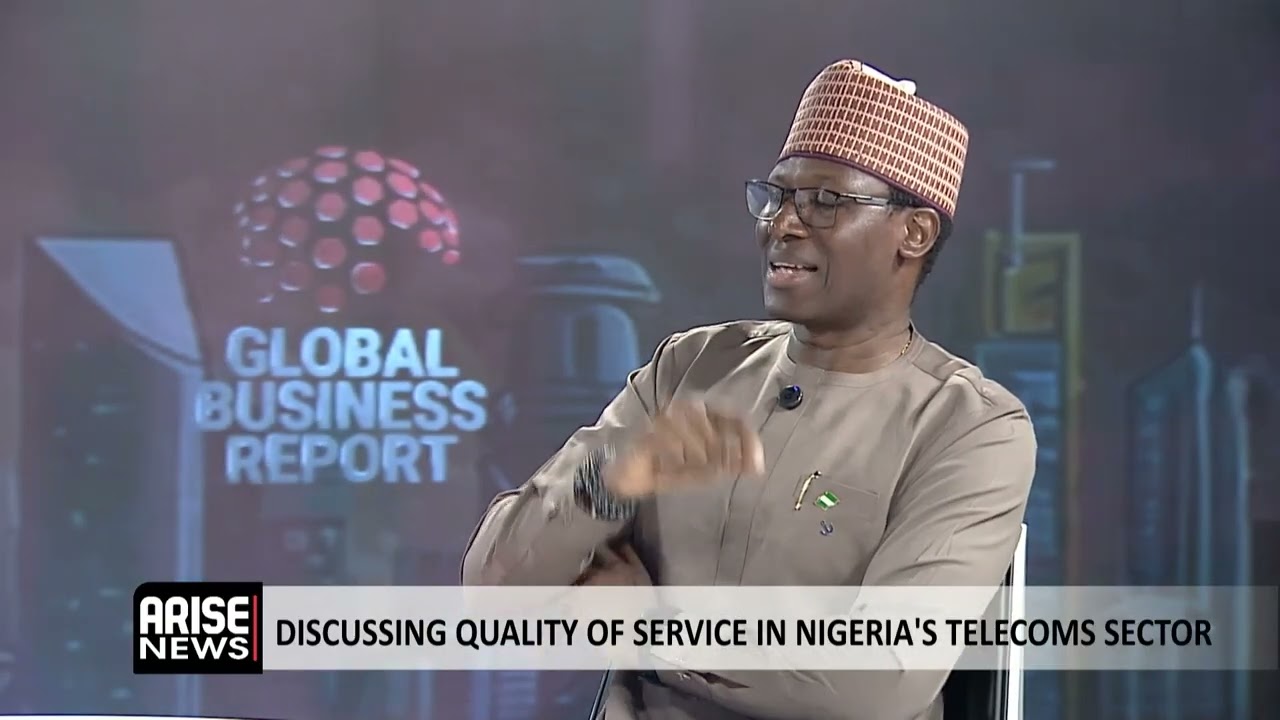
Nigeria’s telecom sector continues to serve as the backbone of the country’s economic and digital systems, but industry operators say persistent challenges such as vandalism, high operating costs, and regulatory bottlenecks are threatening service delivery despite recent improvements in investment inflows.
Speaking in an interview on ARISE News, Chairman of the Association of Licensed Telecoms Operators of Nigeria (ALTON), Gbenga Adebayo, described telecommunications as the critical foundation supporting all sectors of the economy.
“Telecom operators are the infrastructure of infrastructures that supports all other sectors,” he said, stressing that the industry remains central to power, transport, security, and financial services.
Adebayo noted that the recent 50% tariff adjustment has helped restore investor confidence in the sector after years of underinvestment.
“It has restored confidence in the sector… we are seeing investment, we are seeing now the impact of that investment,” he said, adding that the sector is now beginning to recover gradually.
But, he warned that improvements in service quality remain constrained by multiple external challenges, including vandalism, insecurity, and regulatory bottlenecks.
“Things can be better… but there are also other external factors… vandalism, behavior of public actors, behavior of non-state actors,” he explained.
Adebayo highlighted the scale of infrastructure damage, particularly on fibre networks, noting a major disparity between international and domestic connectivity routes.
“The fiber optic in the Atlantic… has witnessed probably one outage in two years… the one running from Lagos to Kano, we record an average of about 40 cuts a day,” he said.
He explained that such disruptions significantly increase operating costs and affect service quality across the country.
Beyond vandalism, he pointed to theft of telecom equipment such as batteries and generators, as well as security challenges that prevent timely restoration of services in some regions.
“Issue of security… people are stealing batteries, they’re stealing generators,” he said, noting that some areas remain inaccessible during outages until security conditions improve.
Adebayo also called for urgent reforms in right-of-way charges and taxation policies, arguing that telecom infrastructure should be treated as essential national infrastructure.
“Right of way should become free of charge across the country… issue of multiple taxation… it has to be a thing of the past,” he stated.
On rising energy costs, he said operators are gradually adopting hybrid and renewable energy solutions, although the transition is slow and still exposed to vandalism risks.
“We are doing a lot on renewable energy and providing hybrid solution… but that takes time,” he said.
Adebayo concluded that while policy support and investment inflows are improving the outlook of the sector, sustainable progress will depend on stronger protection of telecom infrastructure and coordinated action among government, regulators, and communities to address vandalism, insecurity, and regulatory inefficiencies.
By Ojo Triumph
Follow us on:


