


An agricultural industrialist, Reginald Ekeanyanwu, has questioned former Vice President Atiku Abubakar’s plan to reopen Nigeria’s borders, arguing while closing the borders is not the best approach to domesticating production, reopening them would not address the economic challenges facing communities in Northern Nigeria.
In an interview with ARISE NEWS on Friday, Ekeanyanwu said the region’s economic strength lies in agriculture and called for greater investment in technology-driven production to create jobs and reduce dependence on imports rather than relying on border reopening to revive local businesses.
“The former Vice President Atiku said he is going to open the borders because the communities around the borders have lost their businesses and gone bankrupt because the borders were shut down. As a result, there is a need for him to open the borders if he becomes president.
“While I agree that closing the border is not the best way to go about domesticating production, opening the borders for the communities in the North is not going to address the issues he is raising. Northern Nigeria is mostly about farming.
“If you open the borders and think you want to address the issue of trade, you are making a mistake. I would rather say that Atiku should be looking at encouraging production, especially agricultural production powered by technology, to engage the people. If not, what we are going to have is the continuous overwhelming of Nigeria with illicit trade.”
Ekeanyanwu also stressed the need for stricter border management, noting that Nigeria’s insecurity is driven not only by porous borders but also by widespread poverty and joblessness.
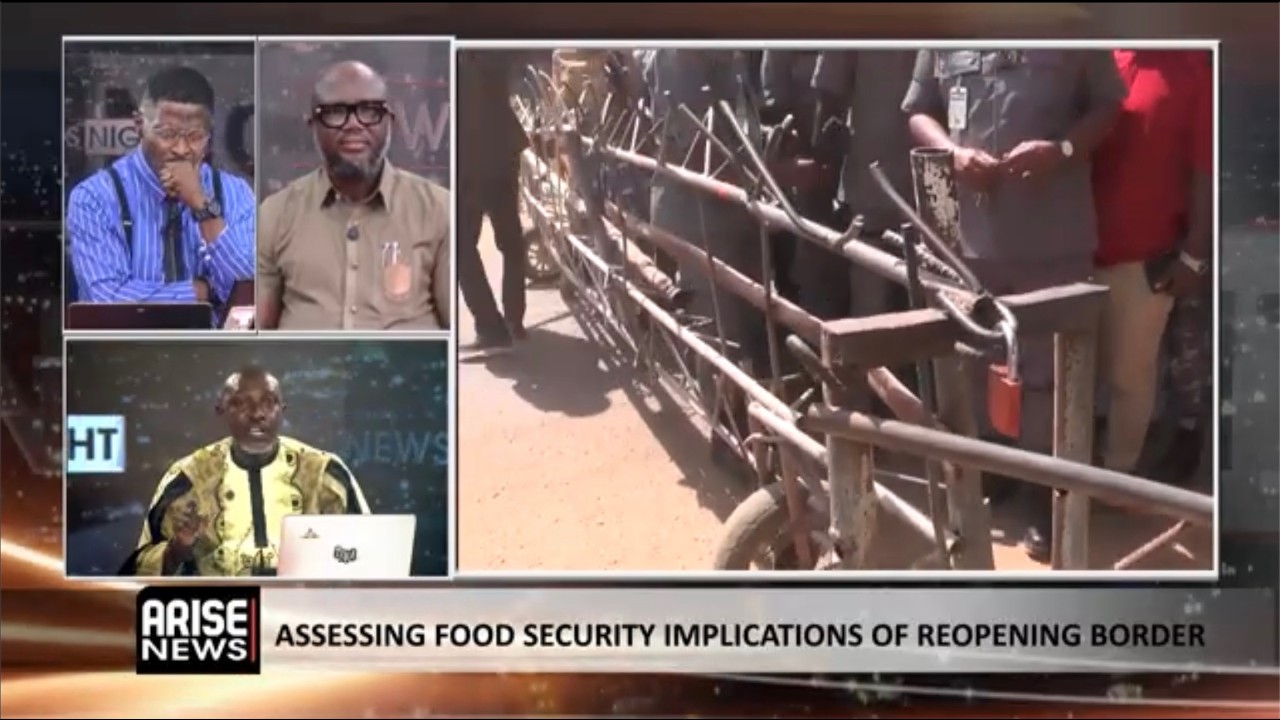
Drawing on his experience travelling through multiple security checkpoints in Egypt, he said Nigeria must strengthen border controls to prevent the movement of arms, insurgents and criminals. He added that getting more Nigerian youths into productive work is critical to tackling insecurity, as idleness and the lack of economic opportunities can leave them vulnerable to criminal activities and extremist ideologies.
“The insecurity is not because we do not have secure borders. The insecurity is much more about the level of poverty Nigeria has fallen into. Ensuring the protection of our borders is something we must take seriously now because we have insecurity.
“I remember attending the African Union conference in Sharm El Sheikh in Egypt. Moving from Cairo to Sharm El Sheikh by road, heading towards the border with Israel, we passed maybe 30 Egyptian checkpoints to ensure that everyone heading towards the Israeli border had a legitimate reason to go that way. That is what Nigeria needs to engage with, which is why there has to be strict border management to ensure we are not allowing armed people, insurgents, and criminals to have a free flow into Nigeria.
“We need to employ and engage Nigerians. It is in the engagement of the Nigerian youth that we can address this. It is poverty that is breeding the level of insecurity we have. It is the level of joblessness. Over 70 million Nigerian youth wake up every morning without money to eat, not knowing where they are going to get work to earn money. As a result, they are exposed to ideologies that foster insecurity. If we must address this insecurity, we must get the majority of our young population working.”
On the question of whether Nigeria should open or close its borders, the agricultural industrialist said the focus should be on making Nigeria an exporter of value-added goods and services. However, he maintained that the country must restrict the influx of illicit trade, goods, services and insecurity through its borders.
“We must open the borders to be exporters of value-added services. But when it comes to the issue of flooding Nigeria with illicit trade, goods, services, and the importation of insecurity, Nigeria has to close its borders.”
Favour Odima
Follow us on:


