


Nigeria’s corruption crisis has become deeply embedded within public institutions, making accountability and governance reforms increasingly difficult despite recent anti-corruption prosecutions, according to analyst Dayo Sobowale.
Speaking during an interview on ARISE News, Sobowale said corruption in Nigeria has evolved beyond isolated misconduct into a broader systemic problem affecting governance, infrastructure, and economic development.
“Corruption has become an entrenched industry,” he said.
Sobowale argued that the impact of corruption is especially visible within critical sectors such as power, where years of alleged mismanagement and diversion of public funds have weakened national development.
“Without power, we cannot have economic growth or development,” he stated.
According to him, persistent corruption within the management of public resources has prevented Nigeria from fully addressing major infrastructure challenges.
“If it has become an industry for ministers of power to divide management of power into their private pockets, then something drastic needs to be done,” he said.
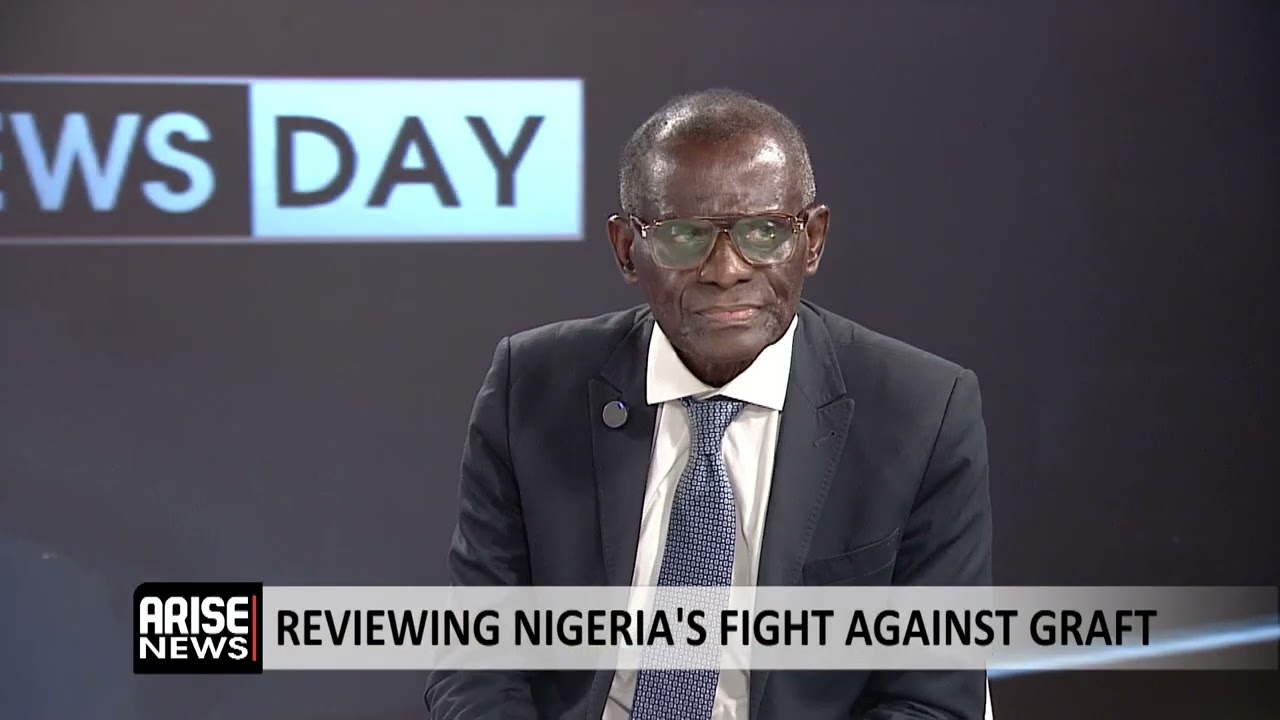
Sobowale, acknowledged recent efforts by anti-corruption agencies and the judiciary to prosecute public officials accused of financial crimes.
“People are being caught by the anti-corruption agencies,” he stated.
He particularly referenced recent lengthy prison sentences handed to convicted officials as a possible sign that anti-corruption enforcement is becoming more serious.
“Since when have you had somebody sentenced to 75 years?” he asked.
According to Sobowale, stronger punishments and consecutive sentencing could help deter future abuse of office.
“That is deterrence,” he said.
Despite this, he maintained that corruption remains deeply rooted within Nigeria’s political and institutional systems.
“Corruption seems to be our way of life,” he stated.
Sobowale also criticised weak institutional screening processes that allow unsuitable individuals to occupy sensitive public offices.
“They don’t even have time to scrutinise,” he said.
He pointed to recent controversies involving government appointments and questions over qualifications as evidence of broader institutional weaknesses.
“Our system is shoddy and not developed enough,” he stated.
According to him, corruption cannot be tackled effectively without improving governance structures, oversight mechanisms, and institutional accountability.
“The buck stops on the table of the President,” he said.
Sobowale also argued that leaders cannot always predict criminal behaviour among appointees.
“You can’t read the man’s behaviour from his face,” he stated.
He explained that some public officials initially appear qualified and competent before later abusing their offices.
“Professor cannot be a crook… but if he becomes a crook, how will you read that?” he asked.
Sobowale further criticised Nigeria’s broader political culture, arguing that accountability standards remain weaker than those seen in more developed democracies.
“We don’t do that here,” he said while comparing Nigeria’s system to parliamentary accountability practices in the United Kingdom.
According to him, anti-corruption reforms must go beyond prosecutions and address the structural weaknesses that allow corruption to thrive.
“You cannot rise above the environment,” he added.
Sobowale concluded that although recent prosecutions may signal stronger anti-corruption enforcement, Nigeria’s deeper challenge remains the systemic nature of corruption, warning that without stronger institutions, accountability mechanisms, and governance reforms, corruption will continue undermining national development.
By Ojo Triumph
Follow us on:


