


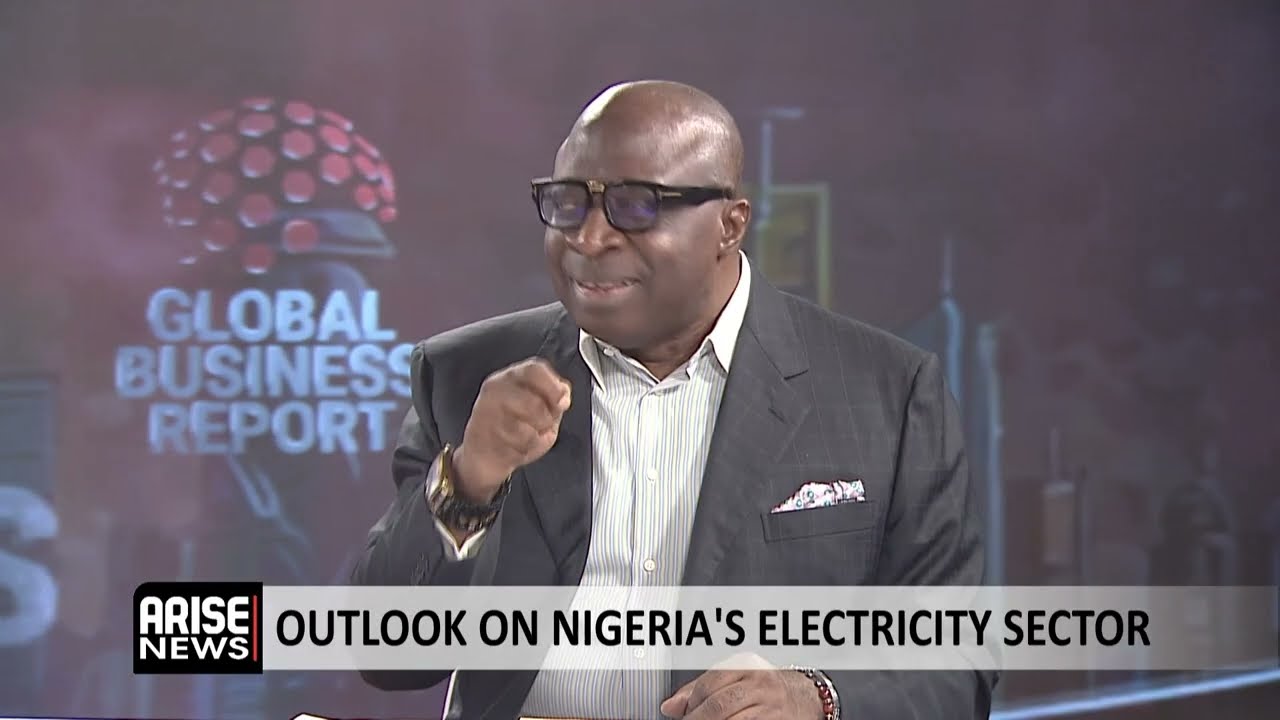
Nigeria’s decades-long electricity crisis remains unresolved because the country’s power sector is structurally and financially broken from generation to distribution, according to business analyst Chika Mbonu.
Speaking during an interview on ARISE News, Mbonu said recurring promises by successive administrations to rapidly fix Nigeria’s power problems have consistently failed because the crisis runs far deeper than public officials often admit.
“The entire system is financially broken,” he said.
Mbonu explained that Nigeria’s electricity challenges are rooted in interconnected failures across the entire value chain, including gas supply, generation, transmission, distribution, and revenue collection.
“Everywhere you go, there’s a problem,” he stated.
According to him, the gas suppliers are owed significant sums, generation companies are unable to operate at full capacity, and the transmission network remains weak and inefficient.
“GenCos cannot fully produce, TCN cannot provide enough power,” he said.
He added that distribution companies also struggle with poor infrastructure, inefficient delivery systems, and widespread metering gaps.
“DisCos cannot distribute efficiently, many consumers are not metered,” he noted.
Mbonu further pointed to weak payment culture and continued government subsidies as major contributors to the financial instability of the sector.
“Many consumers refuse to pay, government keeps subsidising them,” he said.
He argued that the crisis is no longer simply a technical issue but a deeply entrenched political and institutional problem.
“There are political issues, there are financial issues, institutional issues, corruption-related and deeply connected vested interests,” he explained.
According to Mbonu, genuine reforms in the power sector often face resistance because improved electricity supply could threaten entrenched economic interests that benefit from Nigeria’s power shortages.
“When electricity works, many monopolies are going to collapse,” he said.
He specifically mentioned businesses built around generators, diesel supply, and alternative energy dependence as examples of sectors that profit from continued instability in electricity supply.
“Generator cabal… diesel suppliers,” he added.
Despite the scale of the crisis, Mbonu maintained that reforms remain possible if there is sufficient political will to confront the structural challenges.
“The first one is strong political will to fix the problem,” he said.
He noted that while new officials and ministers often promise rapid transformation, the complexity of the system makes quick fixes unrealistic.
“Nigerian power challenges are really serious, very deep,” he warned.
Mbonu also recalled previous administrations making similar promises without achieving lasting results.
“A lot of other people have come out in that line… promises they couldn’t deliver,” he said.
Mbonu concluded that solving Nigeria’s electricity crisis will require more than policy announcements, stressing that only sustained political will, institutional reform, and financial restructuring across the power value chain can deliver meaningful and lasting improvement.
By Ojo Triumph
Follow us on:


