


A virologist and Chairman of the West African National Academy of Scientists, Professor Oyewale Tomori, , has urged the Federal Government to provide full and timely information about Nigeria’s confirmed Ebola case, warning that gaps in official communication could fuel rumours and undermine public confidence in the country’s outbreak response.
Tomori, while assessing Nigeria’s preparedness, said the government had taken encouraging steps to contain the outbreak but stressed the need for greater transparency about the patient’s travel history, treatment timeline and contacts. He said the public needed complete information to understand the situation and trust the authorities’ response.
“What to me is important is: Is Nigeria prepared to tackle the coming epidemic? So far so good, I listened to the Minister and all the efforts that have been put in place. So far so good, I mean I think I feel a bit more confident than I was when the whole thing broke out the first time.
“The only point I wanted to make was that government should be totally open on matters like this and tell us all of the facts. We don’t want to be hearing them in bits and pieces and yonder.
“I think we need to have full information because when government doesn’t give us full information, what happens. The gaps that they leave is filled by rumors.”
Expressing concern over the time taken to confirm the case, Tomori said the patient developed symptoms on the seventh but was only confirmed positive on the twentieth, warning that delays in diagnosis could increase exposure to others and calling for improved testing and early detection.
“Between the seventh when she got sick and 11th and 19th, what happened in between that time?
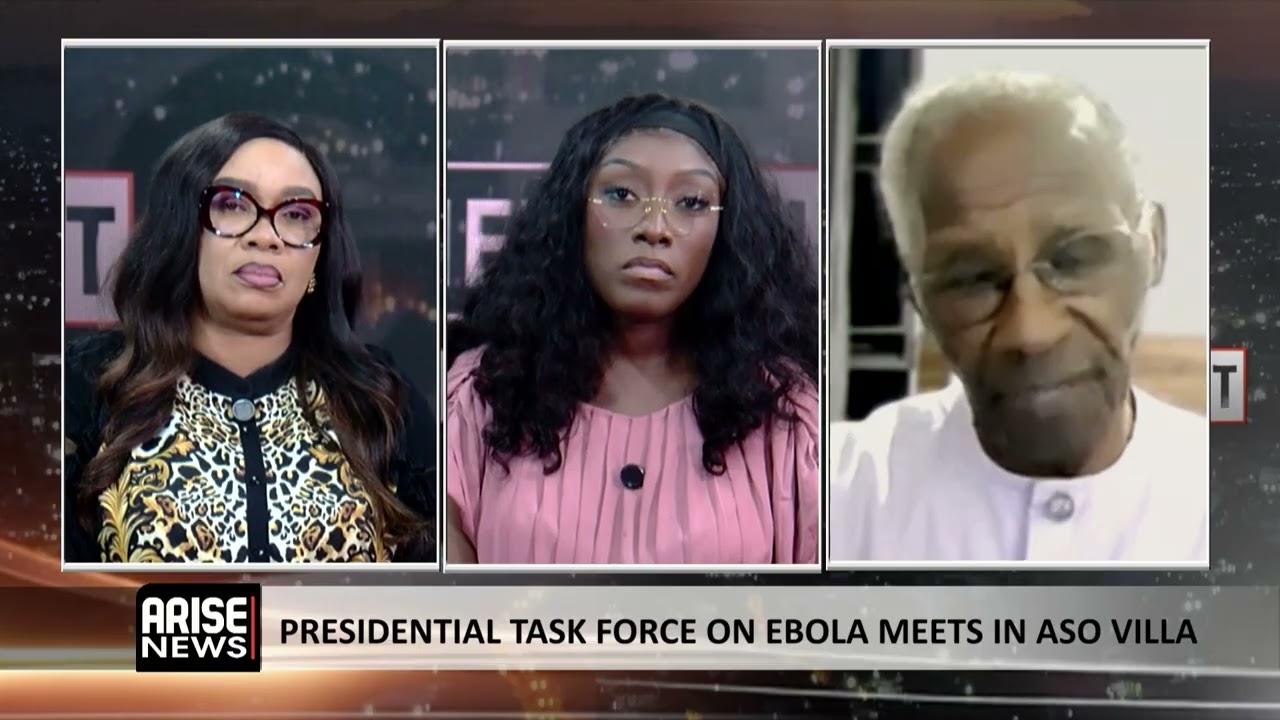
“The issue of the timeline. You know, we are told between the time the seventh and the eleventh, which is about four days, people may not show the symptoms, but they have it already. That is still within the time of thinking. But then, the seventh and today, that it took that long for us to be able to confirm the case, I think it’s a problem. We need to improve on that.”
Tomori also raised concerns about contact tracing, saying the patient’s movements between hospitals and home before confirmation could mean more people were exposed than initially identified. He urged health authorities to investigate all possible contacts and prepare for the possibility of additional positive cases, including ensuring adequate testing facilities and isolation centres.
“I’m looking at the issue of the contacts. The information should be more descriptive, we should ask more people, I think we should have got more contact than we’re getting. But for now, nothing to panic, and I think we should not panic at all. Because they are putting things in the right place.
“It is for us to prepare and to begin to look for the worst case scenario. Supposing two or three of those contacts are positive, what do we do? Do we have the hospitals, do we have the testing, where are we going to put them? These are what we should be thinking about now, not that Ebola is here, everybody’s going to die. No.”
Explaining the differences between Ebola viruses, Tomori said the Ebola, Sudan and Bundibugyo viruses belong to the same family but differ in severity, stressing that the Bundibugyo virus can still cause fatal disease.
“For one reason or the other, viruses, they are the same virus. So the Ebola Zaire, Ebola Sudan, and Ebola Bundibugyo, they are families of the same, but each one with its own virulence.
“The first two are more severe than the last one. When we say not as severe, it’s not that it’s not killing people. Maybe Zaire will kill maybe close to about 90% sometimes, Sudan will take about 60%, this one takes about 40% to 50%. Now because of the nature of the viruses, that’s the reason why, that’s why they are different. Although the same—we are the same family, that’s same thing with Ebola.”
Favour Odima
Follow us on:


