


The President of the Nigeria Youths in Politics, Blessing Oyefeso, has identified voter apathy among young Nigerians as one of the biggest challenges confronting the country’s democratic process.
Speaking in an interview with ARISE NEWS on Wednesday, during a discussion on youth participation ahead of the 2027 general elections, Oyefeso attributed the trend to widespread distrust in the electoral system and a growing belief among young people that their votes do not count.
“Voter apathy is one of the biggest challenges that Nigerian democracy is faced with. As an organization committed to promoting youth participation in politics, leadership, and governance, we understand these barriers and the challenge of marginalization, as well as voter apathy.
“We know that young people feel that their vote doesn’t count. Young people feel that they have no belief in the electoral system. Young people feel that if their vote doesn’t count and they don’t believe in the electoral system, then why should they participate?”, he quizzed.
Oyefeso argued that restoring confidence in the electoral process is crucial to increasing youth participation in governance. He said many young Nigerians have become disillusioned with democracy and stressed the need to mobilise them ahead of the 2027 general elections.
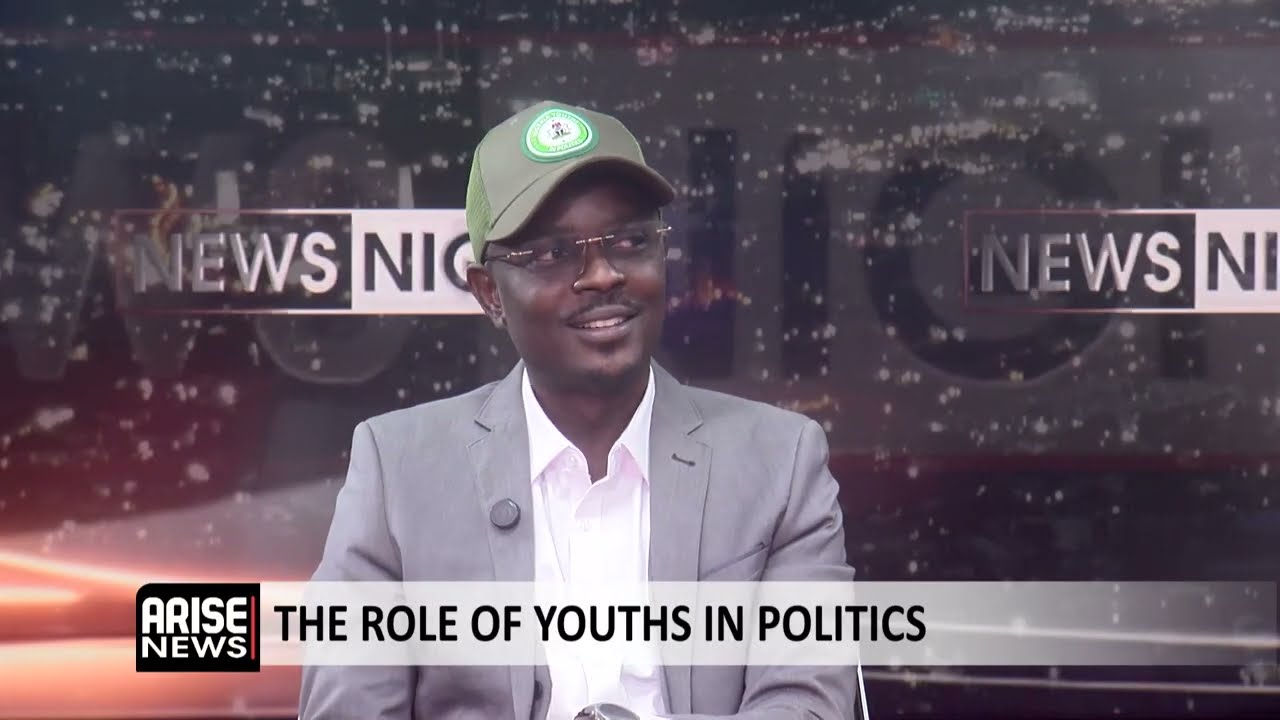
“We’ve never had any election that is free and fair. We are trying to galvanize the younger people across the grassroots to know that for us to determine the Nigeria that we want through the democratic system that we practice—we gained democracy in 1999 back from the military—and the larger demography of the population have lost hope in the process. So, we need to rekindle that hope back.
“The young people need to know that for us to have another election, for us to have another democratic dispensation for young people to know that this is our country, then we must come together to ensure that we not only monitor the activities of INEC during the 2027 election, but also, we must be active participants to ensure that the election is violence-free, peaceful, and credible,” he urged.
Maintaining his stance on youth participation and electoral reform, Oyefeso reiterated that Nigeria’s democracy can only improve when young people become actively organised and engaged in the political process.
“What we are doing as an organization, having realized this lacuna and realized these challenges, is to now come out to bring the confidence of the younger people who constitute the larger demography of the nation to know that we can own the system. The only way we can own the system is when we come out to form a block. The only way we can own the system is when we guard the process. The only way we can own the system is when we come out to say, ‘This is our time to decide who governs us, how they govern us, and we want to know the process of how they get into office,’ which is democratic. That is why we look at it,” he said.
On the impact of the “Not Too Young to Run” law, the NYP president said that while it has reduced age barriers for political participation, it has not fully translated into meaningful youth representation in decision-making spaces, noting that a more impactful step would be the introduction of a youth quota in parliament.
“I think ‘Not Too Young to Run’ is an eligibility reform. What we have now is the Youth Quota in Parliament, which is being sponsored and spearheaded by Nigeria Youth in Politics and our sister organizations. That is eligibility reform. ‘Not Too Young to Run’ is about age, and the Youth Quota in Parliament is quota representation. If we need any reform to secure a seat at the table, we should be talking about the Youth Quota in Parliament. That is where decisions are made that concern the younger people,” he argued.
Favour Odima
Follow us on:


