


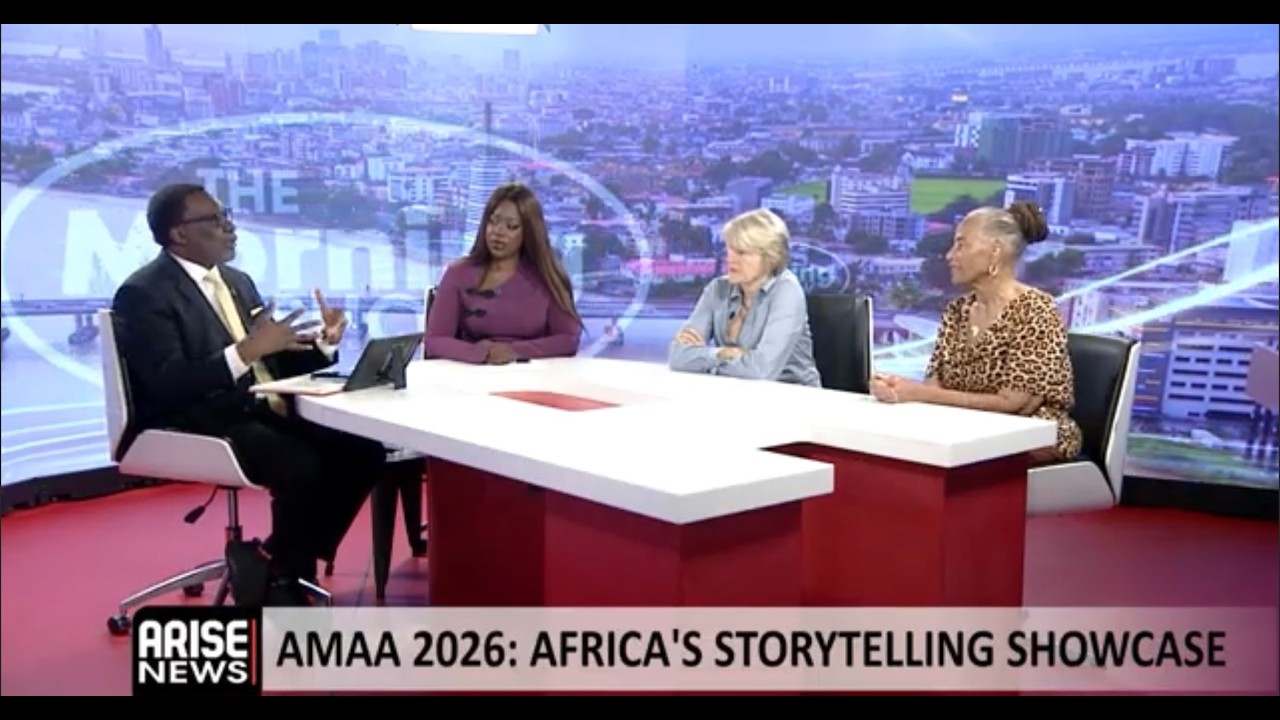
Director of Programming at the Pan African Film Festival in Los Angeles, Asantewa Olatunji, has mentioned that African filmmakers are increasingly reclaiming control of how the continent is represented, using cinema to tell stories from their own perspectives and address issues shaping their place in the world.
Speaking during an interview with ARISE NEWS on Sunday, Olatunji said the growing confidence among filmmakers was also strengthening the connection between Africans on the continent and people of African descent in the diaspora.
“There is an urgency now with the younger filmmakers. They have something to say and it’s not just about a personal story or a relationship. It really makes a statement and it reflects our times far more what’s going on in the international community in general.”
She said African cinema was increasingly reflecting contemporary issues. “Africa is really, the filmmakers in Africa are really taking their place in telling our story and our point of view with respect to current affairs.”
Olatunji also said the relationship between African filmmakers and the diaspora was growing. “Definitely there is a just direct trend both here and in the diaspora to speak our own story and tell it from our own point of view. And again, because of that kinship between continental-born Africans and Africans born in the diaspora there’s just a synergy there that continues to grow.”
The film programmer said Africa’s cultural identity was diverse. “There’s still a certain oneness with respect to African culture and the interpretation of that culture.”
Olatunji also criticised the limited way Africa is sometimes portrayed in Western societies. “I remember years ago, and I was working in a law office at that time, and I sent a postcard of Dakar, big city, right? And these are lawyers and professional people who are saying, oh, cities? I didn’t know there were cities in Africa.”
She said African cinema should reflect the continent’s varied experiences rather than present it as a single cultural or social setting.
“There’s an African rural culture, there’s an African urban culture, just as there is in the West.”
Olatunji said the industry should also move beyond expectations that African films must follow a particular style or narrative to appeal to international audiences. “Sometimes it’s also the African filmmaker thinks, oh, this is what is expected from us by the Europeans. And I think this is an outdated thing. This is a trap that I’ve seen. Quite a lot also African filmmakers get into.”
On what younger filmmakers should prioritise, Olatunji said creativity should not be limited by the size of a production budget or the use of dialogue. “We don’t want a copy of last year. We want to see something new. We want to see something different. We want to see a different way of expressing the way you tell a story.”
She acknowledged that limited funding remained a challenge for filmmakers but said they should find creative ways to use the resources available to them. “And we understand sometimes there’s limitation in terms of the money that one has to make. It’s always a big issue, you know, no matter where we are. But how is it that you use the resources that you have in order to tell that story?”
Olatunji added that filmmakers needed confidence in their ability to communicate their ideas and should not feel compelled to imitate successful films or established approaches to cinema.
Erizia Rubyjeana
Follow us on:


