


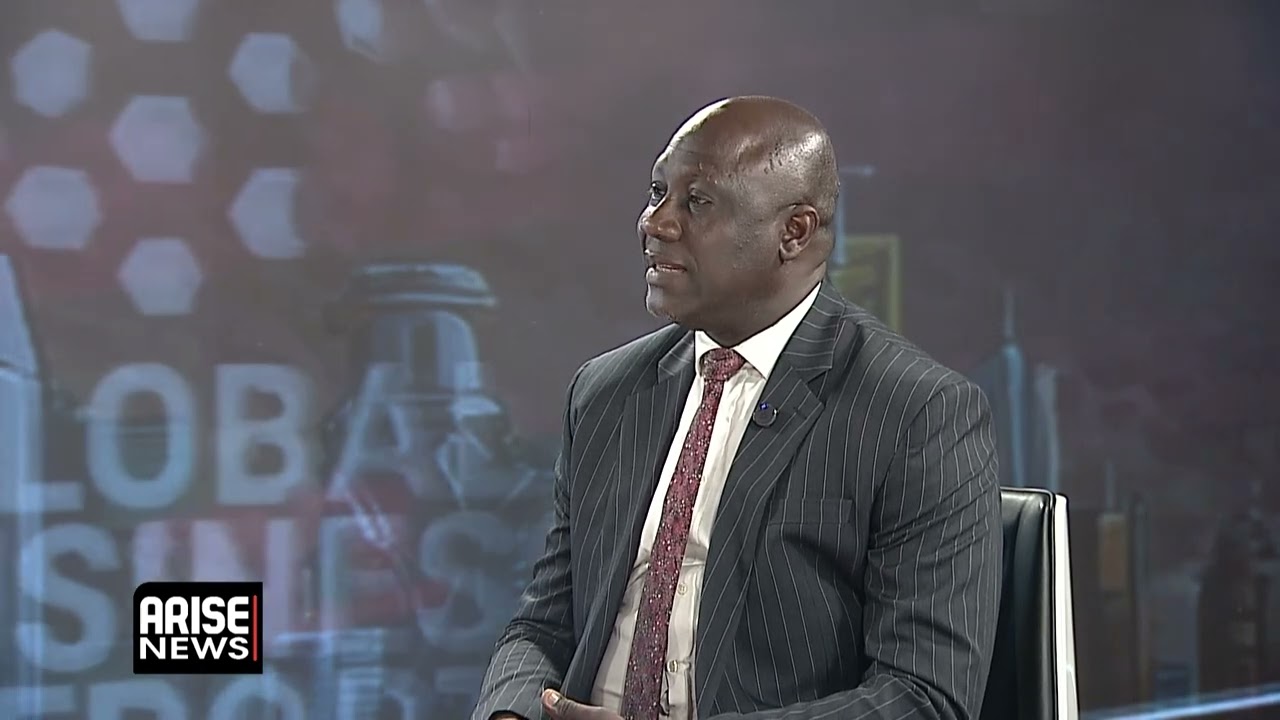
Head of Fixed Income at Chapel Hill, Oladipo Ajayi, has said the ongoing crisis in the Middle East remains one of the major factors keeping Nigerian bond yields elevated despite expectations that rates could eventually moderate later in the year.
Speaking during an interview on ARISE News following the Monetary Policy Committee’s decision to retain key monetary parameters, Ajayi said inflationary pressures linked to global geopolitical tensions have significantly altered earlier market expectations.
“Middle East crisis is keeping Nigerian bond yields high,” he said.
According to Ajayi, investors initially expected the Central Bank of Nigeria (CBN) to begin easing monetary conditions earlier in the year before renewed inflation concerns emerged.
“The trajectory of the economy has changed,” he stated.
Ajayi explained that rising global uncertainty and inflation pressure forced the Monetary Policy Committee to adopt a cautious approach by retaining rates rather than making aggressive adjustments.
“It would be premature for the MPC to actually raise rates,” he said.
He mentioned that investors remain highly sensitive to inflation developments and global market uncertainty, especially regarding energy prices and liquidity conditions.
“Markets are currently very edgy,” he stated.
According to him, inflationary pressure connected to developments in the Middle East continues shaping investor sentiment within Nigeria’s fixed income market.
“What’s currently fuelling the inflationary pressure is what’s happening in the Middle East,” he said.
Ajayi also explained that many investors are demanding higher returns before committing funds to longer-term bonds.
“The market is currently not so much in haste to buy bonds at this level,” he stated.
He pointed to weak demand patterns during recent bond auctions as evidence that investors remain cautious.
“Markets expected to get a better return,” he said.
According to Ajayi, investors are currently favouring short-term treasury instruments because of uncertainty surrounding future inflation and yields.
“When there’s no clarity in the market, people stay at the short end of the curve,” he stated.
He explained that many traders prefer shorter-duration investments while waiting for clearer inflation and monetary policy direction.
“There’s still an underlying fear that the market is holding,” he said.
Ajayi stated that high liquidity within the financial system is also influencing market behaviour and helping moderate upward pressure on yields.
“There’s a concentrated high level of liquidity in the system,” he stated.
According to him, the CBN’s liquidity management approach has prevented yields from rising more aggressively despite inflation concerns.
“We are not seeing yield in the bond market jump,” he said.
Ajayi further disclosed that Nigeria’s Eurobond market continues attracting significant foreign investor interest despite concerns over debt sustainability.
“Nigeria is more like a destination for most of these foreign guys,” he stated.
He explained that investors are increasingly seeking dollar-denominated assets and relatively high-yield instruments during periods of global uncertainty.
“Everybody’s shopping for instruments that are dollar-denominated,” he said.
According to Ajayi, strong trading activity within Nigeria’s Eurobond market reflects sustained foreign appetite for Nigerian debt instruments.
“The market is extremely liquid,” he stated.
But, he projected that bond yields could eventually decline if geopolitical tensions ease and inflation begins slowing again later in the year.
“In the medium to long term, we’ll likely see yield actually moderate,” he said.
Ajayi stated that easing tensions in the Middle East could reduce pressure on oil prices and inflation, creating room for future rate cuts.
“We may likely see inflation continue to decelerate,” he stated.
Ajayi concluded that while Nigeria’s fixed income market remains pressured by inflation fears and global geopolitical uncertainty, particularly from the Middle East crisis, yields could gradually moderate later in the year if inflation slows and global conditions stabilise.
Ojo Triumph
Follow us on:


