


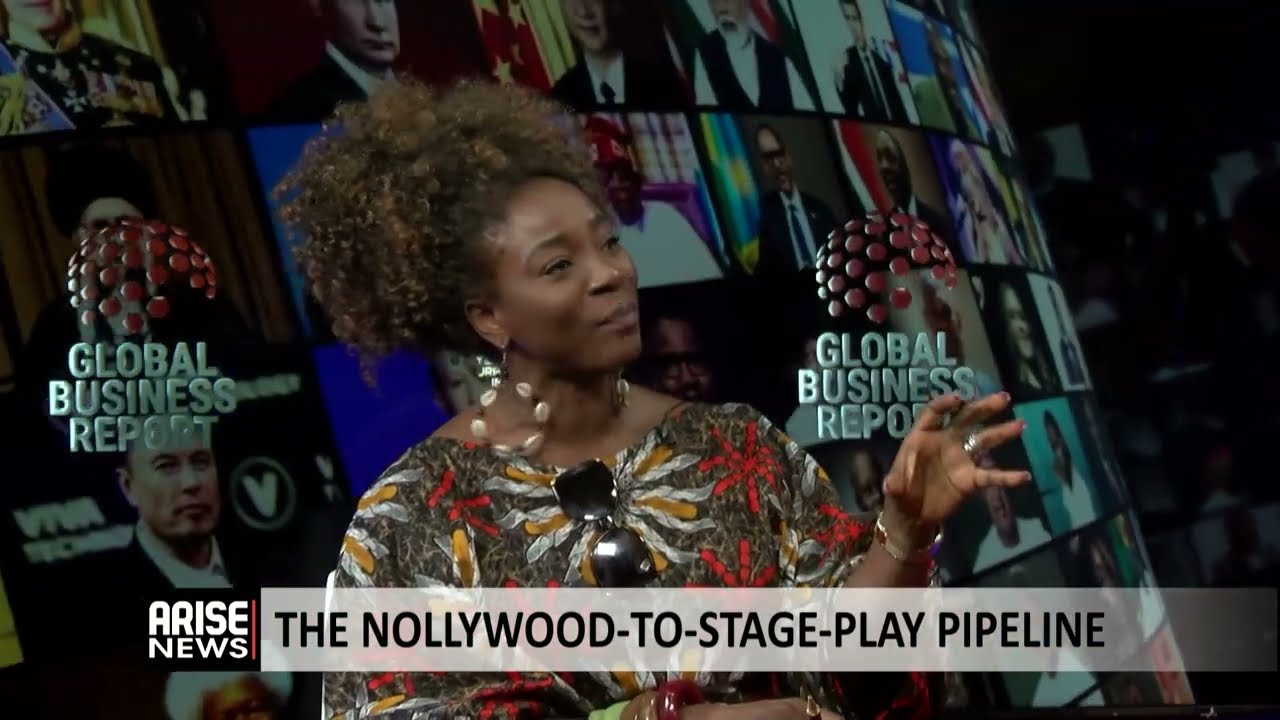
Director of Sales and Marketing at Eko Hotel and Suites, Iyadunni Gbadebo, has called for a radical shift in Nigeria’s approach to entertainment, tourism, and the creative economy, saying that the country must move beyond Lagos and embrace a state-by-state model to truly benefit from its booming cultural output.
Speaking in an interview on ARISE News, Gbadebo argued that Nigeria is failing to convert its global music success into domestic economic value due to poor infrastructure, government inaction, and concentration of opportunities in Lagos alone.
“An Afrobeat artist here in Nigeria can’t do a 36-state tour because outside of Lagos, there’s no infrastructure or purchasing power,” she said.
She contrasted Nigeria’s missed opportunities with Puerto Rico, where global superstar Bad Bunny has singlehandedly transformed local tourism. His concerts, which attract international fans, have reportedly generated over $200 million, driven hotel bookings, and inspired civic pride.
Gbadebo explained that replicating this success in Nigeria would require far more than stadiums or stages. It demands hotel capacity, safety, transport, investor confidence, and proper government coordination.
She said “I hear now in Ogun State, for instance, at the stadium, they’ve just renovated the stadium in Ogun State, If you have a place like that, you know, in many other states, and the government is more intentional about just driving the kind of traffic that you need for these kinds of shows to be put on stage, then of course you would have them coming back. There’s also the, even the artists themselves, you know, again, like I said, they’re now in a place where, how much are you going to pay an artist to come to Nigeria and put a show on, and who’s going to pay that money? Is it the government that’s going to pay for it?”
“If you were going to do it in the stadiums here, and you, for instance, at Abeokuta, and you’re going to bring all of these people who love those artists, the Nigerian artists that you’re gonna bring, where are they gonna stay? What hotels are they gonna stay?
“What would happen to security if somebody, a Nigerian in the diaspora or an African in the diaspora, is looking to come to this show because they love, like, a Burna Boy? How are you gonna convince this person that it’s safe to come to a show in Abeokuta?” she asked.
While acknowledging small steps by some state governments, Gbadebo criticised the lack of intentionality at both federal and subnational levels.
“I hear a lot of conversations with the government, but actual action? I’m not sure I see it at the level that it should be,” she said.
She proposed that each state — especially those with vibrant youth populations — should begin to compete for creative investment, just as Lagos has long done.
“That would be the smart thing to do… give Lagos a bit of competition. Even down to local governments. I’m sure they have funds to do these things — if properly managed.”
Gbadebo also turned attention to the Nollywood film industry, suggesting that one of its next growth frontiers lies in musical theatre and Broadway-style adaptations.
“It’s not rocket science. It’s been happening for years in the West,” she said, referencing Mamma Mia, Wicked, The Bodyguard, and Phantom of the Opera — all adapted from music or film into globally successful stage productions.
She shared her own experience developing The Joelle, a futuristic musical inspired by Wole Soyinka’s The Lion and the Jewel and Ola Rotimi’s Our Husband Has Gone Mad Again. The production, she explained, merges African storytelling with Broadway techniques.
“That’s the kind of work we’re keen on bringing to the stage in Nigeria.”
According to Gbadebo, Nollywood content — particularly films that already incorporate music — could be reimagined as musicals, creating new revenue streams for actors, directors, composers, and stage producers.
“You’ve created another pipeline of revenue… I can’t think of any Nollywood film that has moved to stage yet. But it’s doable — and overdue.”
Gbadebo concluded by urging both government and the private sector to rethink the creative economy as a serious development tool, not a side project.
“We’re going to have to start creating here what we pay to go and see abroad,” she said. “And that takes real, deliberate planning — not just vibes.”
Ozioma Samuel-Ugwuezi
Follow us on:


