


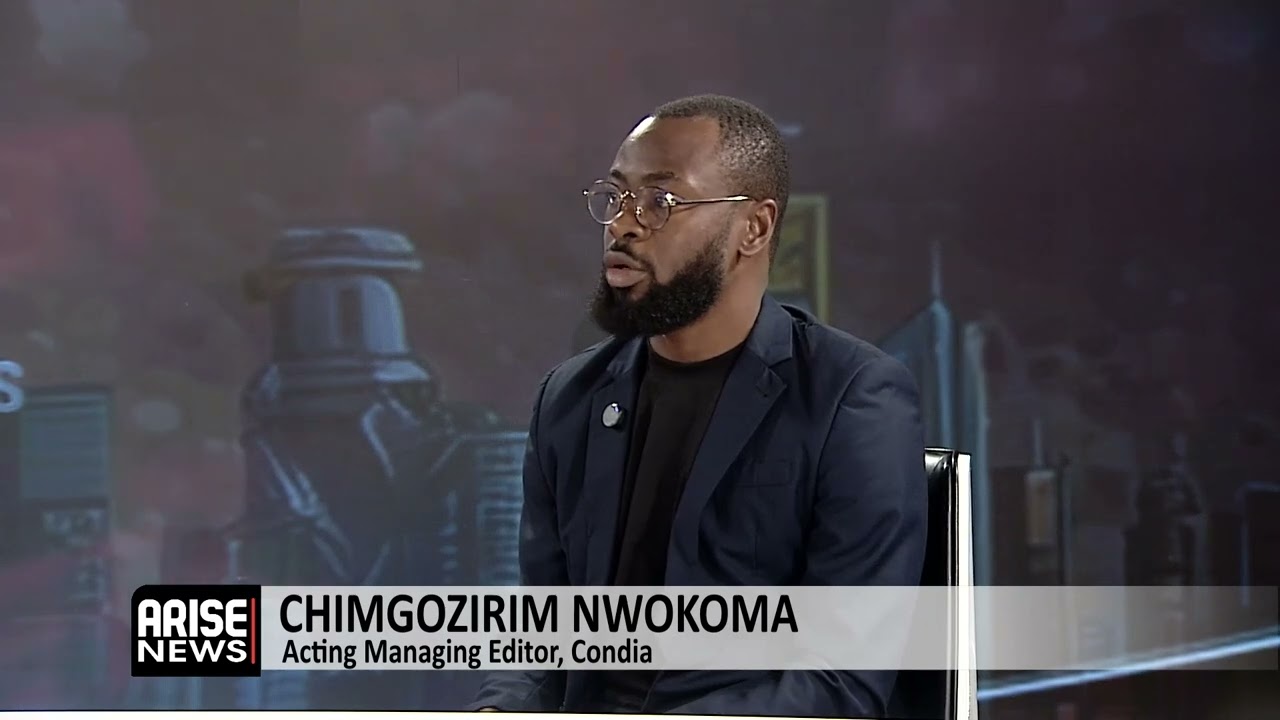
Acting Managing Editor, Condia, Chimgozirim Nwokoma, says the Central Bank of Nigeria’s regulatory sandbox for virtual asset providers could bring greater clarity, stronger oversight and improved regulation to the country’s cryptocurrency and stablecoin market.
Speaking during an interview with ARISE NEWS on Friday, Nwokoma said the initiative could provide greater clarity and stronger oversight by helping the CBN understand virtual asset businesses, their risks and opportunities before developing future regulations.
He said the sandbox would provide a controlled environment for the apex bank to engage with virtual asset businesses and observe their operations more closely.
“One of the things we’ve seen associated with regulation of the crypto space or virtual asset space in Nigeria has been a lot of ambiguity.”
Nwokoma said the CBN’s regulatory sandbox could bring greater clarity to Nigeria’s crypto market by helping the regulator better understand virtual asset businesses, their risks and opportunities before developing future regulations.
“So one, it brings clarity. Two, it helps the regulator to better understand these businesses, understand the risks that come with them and even understand the opportunities.”
He said improved regulatory oversight could also give virtual asset startups greater access to the financial system, while attracting investment would likely be a secondary benefit of the initiative.
“I think the biggest gain here is going to be regulatory clarity. It’s going to be much more access, for example, for the crypto startups.”
Nwokoma, however, said regulatory approval alone would not guarantee investment, as investors would still consider the commercial viability and potential returns of virtual asset businesses.
“Even if you’re highly regulated, they also need to be sure that this investment makes any business sense because I’m not going to invest in something, even if it’s backed by a regulator, if it’s not going to bring returns.”
On data sharing, Nwokoma said stronger data protection would be critical to financial inclusion and the development of open banking in Nigeria.
“We need our data to be treated with some respect. We need data to be protected because you don’t want data getting into the wrong hands.”
He said secure data sharing would be essential for open banking to function effectively, noting that the system depends on the ability to share financial information securely.
“You need open data sharing for open banking to work perfectly. So yes, this is very important. So security cannot be overemphasized.”
On the risks the CBN should monitor as businesses test stablecoins and other virtual asset solutions, Nwokoma identified consumer protection as one of the biggest concerns.
“One of the biggest risks is going to be the risk to the consumer, which is what most regulators are going to always focus on.”
He said risks such as hacking, fraud and the growing use of artificial intelligence by scammers and other bad actors would require stronger regulatory attention.
Nwokoma said the irreversible nature of some blockchain transactions could also expose consumers to significant losses, particularly where users lose access to their digital wallets.
“If you lose your wallet’s ID, for example, it’s really difficult to recover that. And that would mean that a lot of your money has been lost.”
He said consumers remained the group most exposed to risks in the virtual asset space because individuals generally have fewer safeguards than institutions.
“But most of the risk is going to come from the consumer side.”
Nwokoma said the success of the CBN’s second regulatory sandbox cohort should ultimately be measured by the quality and clarity of regulations that emerge from the exercise.
“We can’t afford to have another sandbox that is just a formality. What kind of regulations are going to spring from this? That’s what success looks like.”
On cross-border payments, Nwokoma said businesses operating in Nigeria could benefit from easier access to international payment infrastructure and dollar accounts.
He said traditional cross-border payments could be slow and expensive because of the number of intermediaries involved, while stablecoins could help businesses complete transactions more quickly.
“But with stablecoins, because it’s on the blockchain and it’s around the clock, there are no human intermediaries, so it’s a lot faster.”
Nwokoma said faster international payments could improve supplier relationships for Nigerian businesses, allowing them to negotiate better payment terms and potentially secure discounts.
“If you know you can get your payments done much faster, then you can negotiate better payment terms, for example. You can even negotiate discounts as well.”
He added that stablecoin-based payment systems could reduce costs by eliminating some intermediary banks and corresponding banking charges.
“With stablecoins, you’re essentially eliminating these intermediary banks or corresponding banks as we know them. So when you eliminate them, you’re able to have some cost savings in the process.”
Nwokoma said improved access to international payment infrastructure could help Nigerian businesses manage their finances more efficiently and reduce costs.
“This definitely helps businesses. It improves how you manage your finances. It even helps you to save costs as well.”
Goodness Anunobi
Follow us on:


