


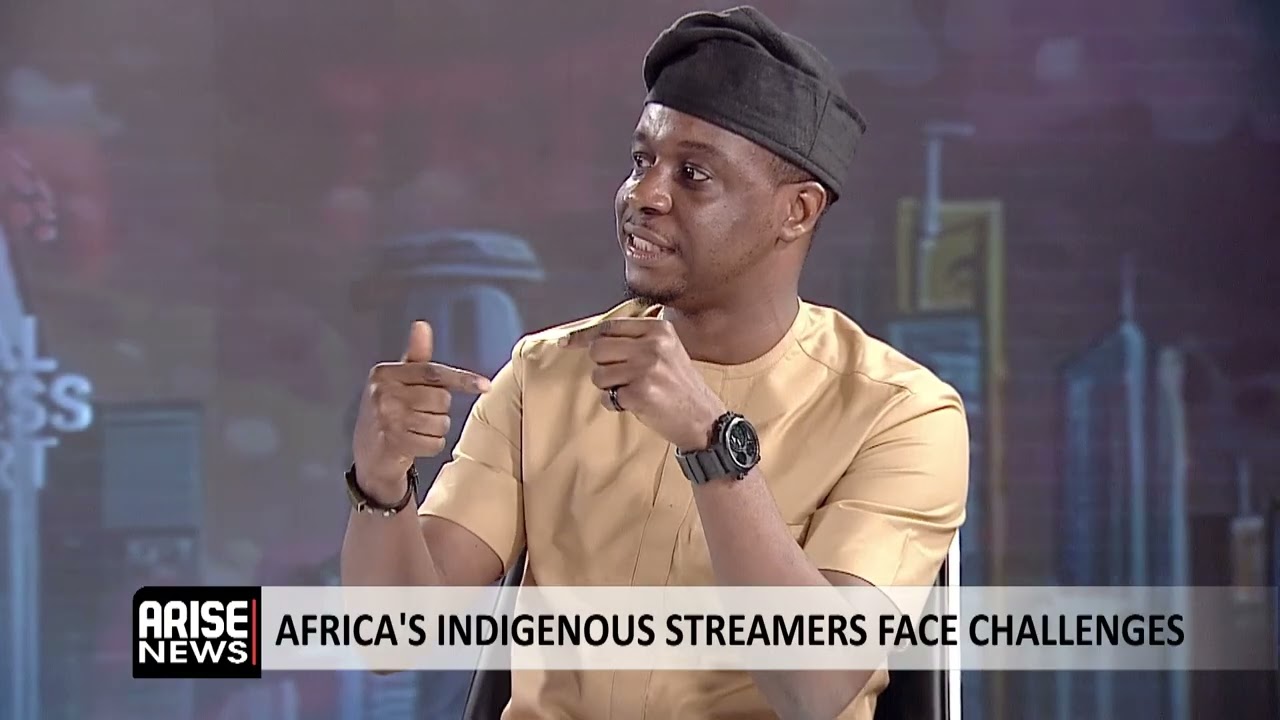
A senior reporter at TechCabal, Timi Jaiyeola, has identified low disposable income across Africa as the biggest challenge facing streaming platforms like Showmax, despite the continent’s large and growing population.
Speaking during an interview on ARISE News on Friday, Jaiyeola explained that while Africa boasts over a billion people and increasing internet access, the economic realities of the average consumer make it difficult for subscription-based services to thrive.
He noted that although platforms like Showmax have recorded growth in user numbers, this has not translated into sustainable revenue, largely because a significant portion of users are either unable or unwilling to pay consistently for digital entertainment.
“For Showmax, between 2023 and 2025, it lost about $525 million and made just $204 million,” he said, highlighting the gap between investment and actual returns.
Jaiyeola stressed that the real issue is not attracting users but converting them into paying subscribers at scale, particularly in markets like Nigeria where disposable income is severely constrained.
“It’s not necessarily about paying subscribers, it’s about how many paying subscribers you have,” he said, adding that convincing millions of users to commit even $5 monthly remains a major hurdle.
He further broke down the financial realities facing the average Nigerian, noting that a large share of income is spent on essential needs such as food, transportation, and housing, leaving little room for non-essential services like streaming.
“The average Nigerian spends about 60% of their income on food alone… before they think about subscriptions, it takes time,” he explained.
According to him, this highlights a deeper economic issue while inflation may be stabilising, real income growth has remained stagnant, meaning consumers are not necessarily better off financially.
“A stable economy is not the same as a prosperous one,” Jaiyeola said. “For the average Nigerian, real income has not grown in the last five years.”
He emphasised that streaming services fall into the category of discretionary spending, making them vulnerable in tough economic conditions.
“Showmax is entertainment… it’s a want, not a need,” he added.
Jaiyeola also referenced the closure of IrokoTV in Africa, noting that the platform had to rely heavily on international markets for survival, with as much as 80 percent of its revenue coming from outside the continent.
This, he said, reinforces the idea that Africa alone may not yet be a financially viable primary market for streaming businesses.
On the issue of competition, Jaiyeola pointed out that African platforms are at a significant disadvantage compared to global giants like Netflix and Amazon Prime Video, which invest billions of dollars annually in content production.
He explained that the scale of investment required to compete globally is far beyond what most African platforms can currently sustain.
“We don’t have that level of scale… you’re not going to spend $10 million on a movie when you’re not even sure you’ll make $5 million,” he said.
Looking ahead, Jaiyeola suggested that the future of streaming in Africa may depend on alternative business models, particularly those that go beyond standalone subscriptions.
He argued that bundling streaming services with other offerings, such as telecom or digital services, could improve accessibility and increase user adoption.
“Streaming cannot be standalone… you need bundled services,” he said.
He also pointed to platforms like YouTube as a more adaptable model for the African market, given their reliance on advertising revenue rather than direct user subscriptions.
According to him, such models reduce the financial burden on consumers while still allowing content creators and platforms to generate income.
“Streaming in Africa will likely evolve towards platforms that prioritise reach and monetise through ads,” he added.
Triumph Ojo
Follow us on:


