


The recent United Nations resolution on reparations for slavery and colonialism has moved the conversation from moral argument to a legal framework, giving African nations and victims the ability to pursue claims in court.
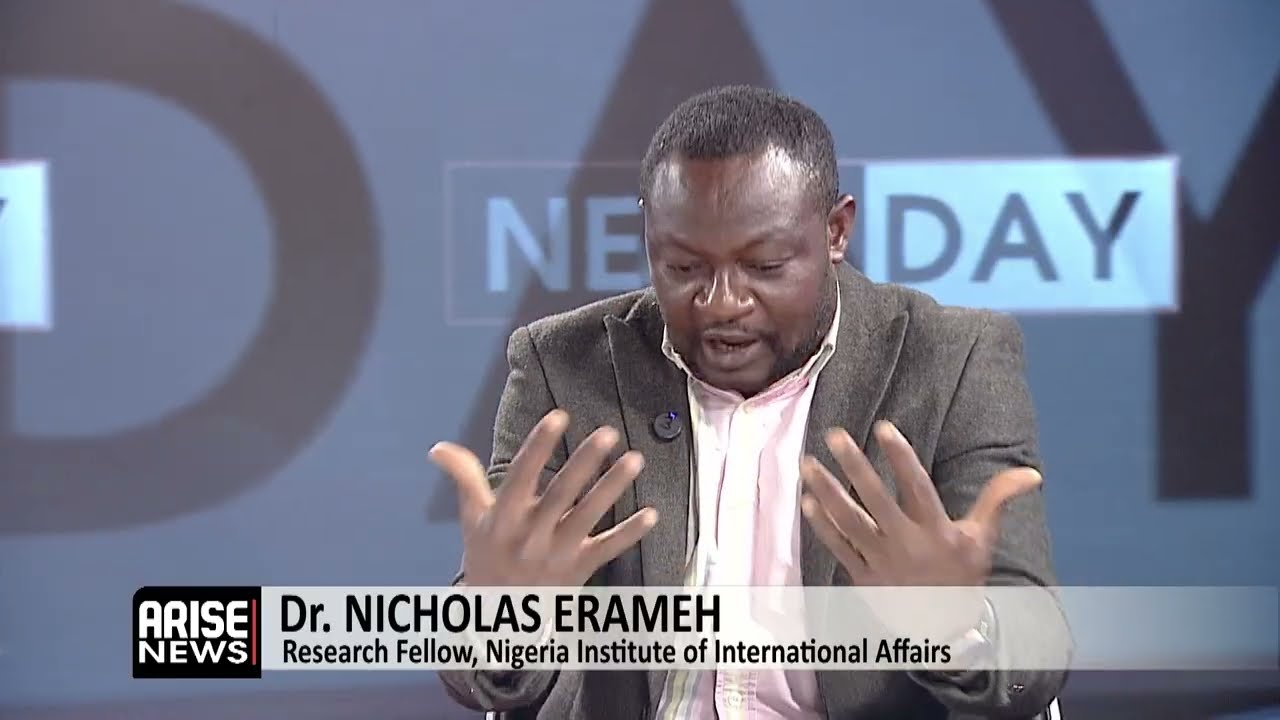
Speaking during an interview on ARISE News on Thursday, Dr. Nicholas Erameh described the resolution as a “right step in the right direction,” emphasizing that it provides a formal legal basis for challenging the injustices of colonialism, regardless of whether immediate judgments are made.
According to Erameh, the significance of the resolution lies in its legal codification of historical grievances. “What this resolution does is allow cases of colonial exploitation and transatlantic slavery to be brought to court with enforceable legal weight, rather than relying solely on moral appeals,” he said.
Erameh highlighted the distinction between moral and legal obligations, noting that many countries previously engaged in reparations discussions were motivated by goodwill. The resolution, however, establishes a formal legal route for victims to demand compensation, independent of the perceived generosity of former colonial powers.
When asked about countries that abstained or opposed the resolution, including the US, Israel, and some European nations, Erameh said this reflects the legal stakes involved. “Once legal implications are introduced, countries become cautious. But the fact remains: victims now have a platform to claim what is due under international law,” he explained.
The UN resolution does not limit responsibility to states alone. Erameh emphasized that entities, institutions, and individuals implicated in the historical injustices can also be subject to legal challenge. “It shifts the focus to victims’ rights and how they perceive and pursue justice,” he added.
Addressing the broader African response, Erameh noted that while Ghana led the UN initiative, Nigeria and other African nations remain stakeholders within the African Union framework. He stressed that legal empowerment under the resolution is collective, even if individual countries spearhead specific initiatives.
Erameh also drew comparisons with Caribbean nations under CARICOM, which have historically pursued reparations more aggressively. “Africa may appear slower, but this resolution now gives the continent the same legal footing to challenge historical injustices systematically,” he said.
On concerns over implementation, Erameh argued that the resolution’s strength is in its legal foundation. “Even if political resistance exists, the codification into international law ensures that these cases cannot be dismissed purely on moral or diplomatic grounds,” he noted.
Speaking about practical application, Erameh suggested that African countries and victims should prepare legal frameworks and institutions to manage claims, ensuring accountability and preventing diversion of funds or resources. “Without proper structures, even legally recognized claims may fail to achieve tangible outcomes,” he said.
He concluded that the resolution marks a turning point in Africa’s pursuit of justice, providing both nations and affected individuals the authority to hold historical perpetrators accountable. “This is no longer just about acknowledgment or apology; it is about enforceable legal rights,” Erameh affirmed.
The discussion underscored the importance of legal empowerment in international affairs, with Dr. Erameh noting that the UN resolution represents a concrete step toward redressing centuries of colonial exploitation through law rather than rhetoric.
Triumph Ojo
Follow us on:


