


Ambassador John Usanga, Deputy Spokesperson of the League of African Ambassadors, has raised concerns over the outcomes of President Bola Ahmed Tinubu’s recent two-day state visit to the United Kingdom, warning that key agreements may favour Britain more than Nigeria.
Speaking during an interview on ARISE News on Thursday, Usanga acknowledged the diplomatic significance of the visit but questioned the economic benefits tied to major deals, particularly the redevelopment of Lagos and Tin Can Island ports.
“if you look at it holistically, the main beneficiary of that agreement is the British government.”
He added that while the engagement signals Nigeria’s openness to global partnerships, the real gains for Nigerians remain uncertain.
“Yes, it will help us to develop the ports, but to what extent are we going to benefit? Are they going to create jobs? Are we going to sell anything coming from there to earn the much-needed foreign exchange?”
Despite his reservations, Usanga described the visit as a strong diplomatic outing for the president, noting that it positioned Nigeria favourably on the global stage.
“The visit is a powerful outing, if I might put it the Nigerian way, it’s a powerful outing for Mr President, who has gotten all the endorsements necessary to place Nigeria up there on the map”
He stressed that the engagement sends a clear message internationally.
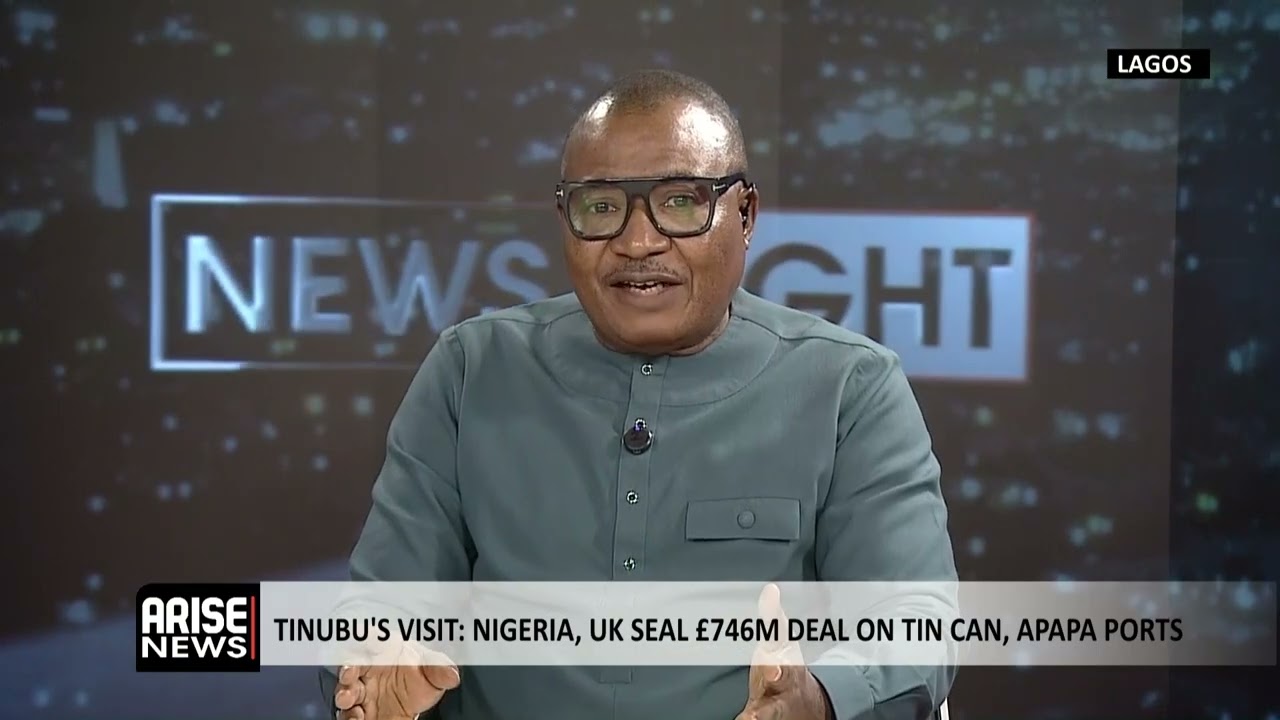
“To send a strong signal to the rest of the world that Nigeria is very much ready, you know, to play at the international scene”
On security, the ambassador called for deeper and more practical collaboration between Nigeria and the UK, warning that agreements alone are not enough without concrete implementation.
“Yes, it’s okay to sign an MOU, but the implementation of MOU is what really matters.”
He questioned the extent of the UK’s commitment to Nigeria’s counterterrorism efforts, noting that tangible support remains to be seen.
“What they will bring to the table will further enhance the fight against terrorism… but to what extent are they going to assist us? Is that what we are yet to see?”
Usanga further emphasised the need for Nigeria to seek broader international assistance in tackling insecurity.
“We need help from all angles to fight terrorism so that our country can rise again.”
Turning to migration and diaspora relations, he urged Nigeria to adopt a reciprocal stance in dealing with UK visa policies, especially given the contributions of Nigerians abroad.
“If you deny me a visa, I deny you a visa. If you increase your visa fees, I increase my visa fees.”
He also called on the UK to recognise the value Nigerians bring to its economy and society, and to adjust its immigration policies accordingly.
“The United Kingdom should recognise the immense contributions of Nigerians… and reverse the visa policies and make it more friendly for Nigerians.”
While acknowledging that the visit sends a positive signal that Nigeria is “ready for business,” Usanga maintained that its true success should be measured by tangible outcomes.
“How that would translate into tangible realities of benefits for Nigerians still stands to be ascertained.”
President Tinubu’s visit, which included engagements with King Charles III and Keir Starmer, has been described as historic, but analysts say its long-term impact will depend on how agreements are implemented and whether they deliver real economic and security gains for Nigerians.
Faridah Abdulkadiri
Follow us on:


