


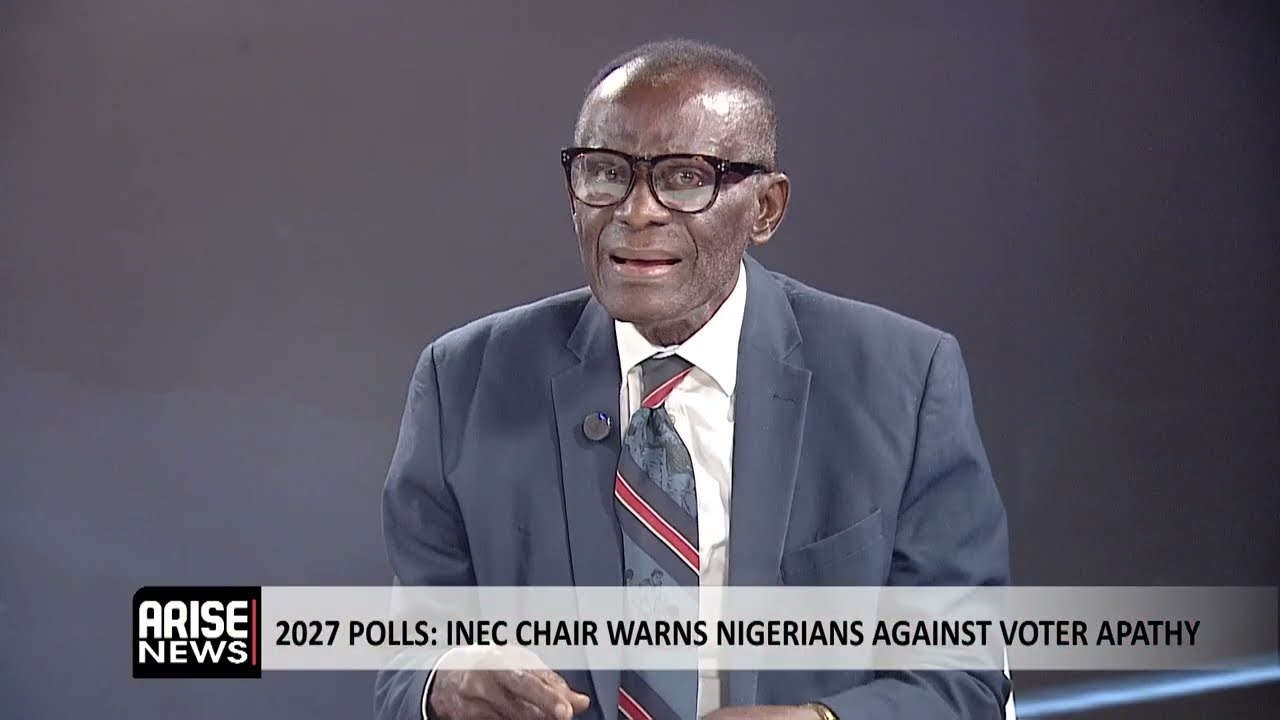
Voter apathy is one of the greatest threats to Nigeria’s democracy, fueled by inequality, distrust in political parties, and a sense that individual votes do not count. Experts warn that if citizens remain disengaged, the credibility and outcomes of the 2027 general elections could be compromised.
Speaking during an interview on ARISE News on Thursday, Dayo Sobowale explained that low voter turnout is not only caused by uninspiring candidates but also by systemic issues across Nigeria’s political landscape.
“The apathy is real, and it’s based on concrete issues and development in society,” he said, highlighting the divide between ruling party members, who enjoy perks, and ordinary citizens, who often feel excluded from the political process.
Sobowale noted that during party primaries, supporters of dominant parties celebrate their perceived inevitability to win, creating resentment and disengagement among other voters. “People just think, whether I vote or not, it won’t matter,” he added.
He warned that historical governance failures, from colonial rule to military regimes and flawed civilian governments, have reinforced cynicism among citizens, leading many to feel powerless in influencing political outcomes.
The analyst argued that technological improvements, such as electronic result transmission, are not enough to address voter apathy. “What is the use of a seamless process if people don’t turn up to vote?” he said.
Many Nigerians see political parties as oligarchies that flaunt wealth and privileges, widening the gap between leaders and citizens, and further discouraging political participation.
Sobowale emphasized the importance of youth engagement, noting that young voters form a large part of the electorate but often feel disconnected from political parties and electoral processes.
He highlighted the broader consequences of voter disengagement, including weakened democracy and openings for authoritarian practices. “When people stop participating, it’s easier for systems to fail, and for poor governance to persist,” he explained.
The analyst urged political stakeholders, civil society groups, and the Independent National Electoral Commission to prioritize voter education, transparency, and inclusive engagement to restore public confidence ahead of 2027.
Sobowale also stressed that addressing voter apathy requires both systemic reforms and active citizen participation. If Nigerians remain indifferent, democratic institutions risk becoming hollow.
Concluding, he reminded citizens that voting is not just a right but a civic duty essential for shaping Nigeria’s political future.
Triumph Ojo
Follow us on:


