


The Country Director, ActionAid, Nigeria, Andrew Mamedu, has described the Federal Government’s $1 billion Hope Social Protection Programme as a welcome initiative, but stressed that more support is needed to adequately address the scale of poverty and vulnerability in the country.
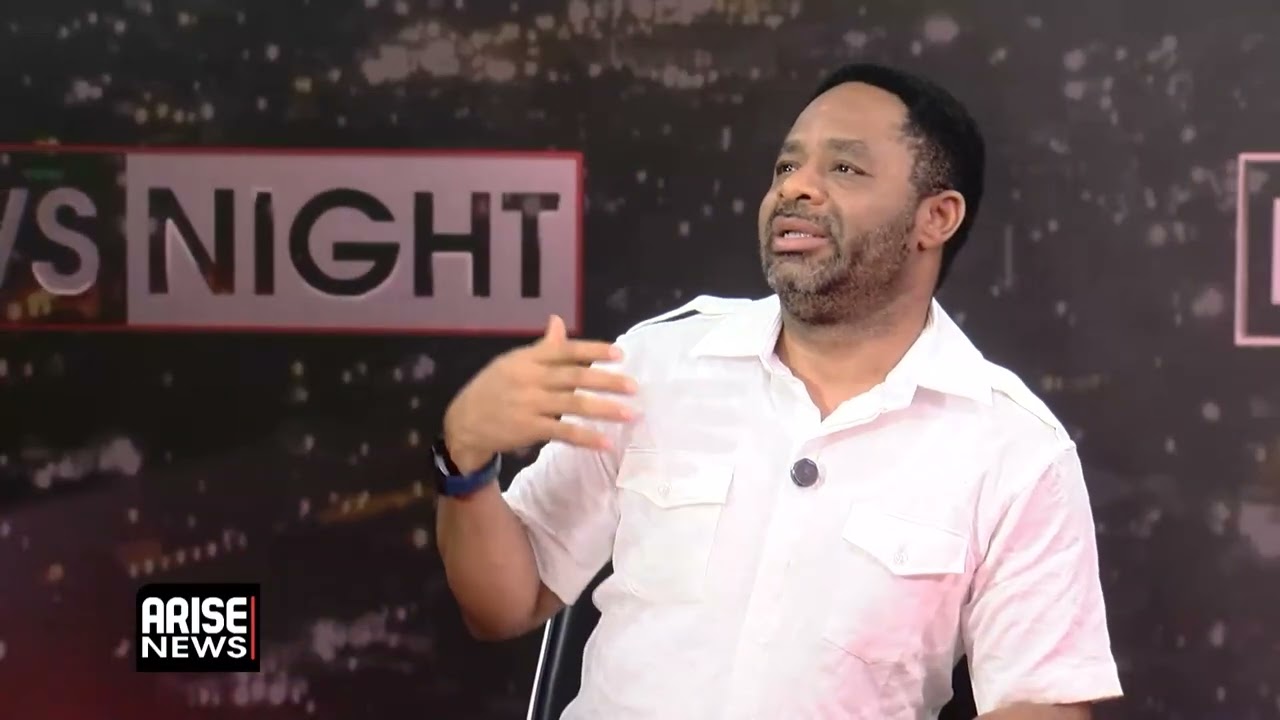
In an interview with ARISE NEWS on Wednesday, Mamedu said social protection should be treated as a right rather than a privilege, noting that it forms part of the government’s constitutional obligation to ensure the welfare of citizens.
Mamedu made these remarks following the Federal Government’s unveiling of the $1 billion HOPE Social Protection Programme on Wednesday, August 26, 2026, by First Lady Oluremi Tinubu, at the State House Banquet Hall in Abuja. The programme is designed to move vulnerable households from temporary relief towards recovery, economic empowerment and self-reliance.
“I think it’s a good initiative. For us as civil society and citizens, we normally clamor for, we normally call for social protection programs. We actually don’t have enough; we actually need a bit more. Social protection is a right, it’s not a privilege. When it happens, when we have a lot of fanfare around it, it shouldn’t be. It should be part of the obligation.
“Having $1 billion—which is very good, that would be about 1.3 something trillion naira—is very good. Generally, it’s a good initiative. However, looking at economic indices, let’s start with the latest figure we have out of the World Bank. There are questions around it: 140 million, 141 million persons living in poverty, or you take the 133 million living in multidimensional poverty. That’s a huge number compared to what this $1 billion will be targeting—targeting 7.6 million households.
“With 7.6 million households, at that amount, if you split it down the middle, it’s about 180,000 naira per household. If you split it with an average of six—four children, father, and mother—and divide by six, you have about 30,000. What would that cover for a family in a month? It’s less than minimum wage, but it’s better than nothing.”
He said there is evidence that social protection programmes, particularly cash transfers, have helped poor and vulnerable Nigerians meet their education and healthcare needs, but stressed that past challenges around implementation, transparency and accountability must be addressed.
“We have evidence that shows that the social protection program, particularly cash transfers, has gone a long way in helping the poor and vulnerable—helping them deal with education, deal with healthcare. It’s really working when it is available. However, there have been challenges in the past.”
Urging state and local governments, the private sector and other stakeholders to support the programme, Mamedu said social protection must be treated as a right and kept free from political or electoral considerations.
“We would urge the state governments, local governments, private sector, and critical stakeholders to play a role in this. It should not be seen as a privilege; it should be dealt with as a right. In that regard, it should not be tied to politics or elections. Elections are around the corner. Civil society should be able to play third-party monitoring, as we’ve played third-party monitoring in some of the social protection programs that have run in the past. One of the issues we had was that issue of transparency and accountability.”
Mamedu stressed the importance of a reliable social register in identifying beneficiaries, noting that the existing register has over 70 million people, with about 11 million already verified by the National Identity Management Commission (NIMC), while also stressing the need for transparency and accountability through adequately funded third-party monitoring to ensure the programme reaches its intended beneficiaries and the $1 billion is properly disbursed.
“One of the main things we’ve been pushing for is having a social register. We have a social register now, with over 70 million persons on it. Of those persons, we’re trying to verify them, and NIMC is leading that process. As of today, we have about 11 point something million persons—about 15%—that have been verified.
“Third-party monitoring is very critical. Of the fund, how much do we have set aside for monitoring and evaluation? How much do we have set aside for third-party monitoring? In other climes, you have civil society, auditors, and private sector actors playing various roles to ensure that the program is successful, including monitoring and following up on the usage and the beneficiaries, and how the money is being disbursed.
“Where is this $1 billion coming from? Is this the $1 billion loan that the Senate approved for infrastructure and all that, or where is this $1 billion coming from? It will be launched by next Tuesday, so we are hoping that the government will put all this information in the public domain. Citizens need to know it’s not a campaign fund.”
Addressing concerns over the planning and accountability surrounding the programme, Mamedu said Nigeria has developed several sound policies, but weak planning, funding and implementation have continued to undermine their impact, reiterating the importance of the government to engage civil society as partners in ensuring the programme succeeds and delivers tangible benefits to citizens.
“ActionAid is currently doing an international report called Lived Experience, analyzing various reports and policies of the government. We’ve noticed that policy is not our problem. We’ve got very nice policies—very interesting and good policies. But the planning and the implementation of those policies has been the challenge.
“It’s all about planning and execution. How do we ensure that this program is not caught in that web? For us, we need to sit on the table with the government and say, ‘What role can we play as civil society?’ Civil society is not just to criticize the government, but to hold government accountable. Let us sit as partners around the table and say how do we make sure that this is successful for the benefit of the citizens. As I said, it’s a right, not a privilege.”
Favour Odima
Follow us on:


