


Human rights lawyer Abdulkareem Musa has alleged that the trial of activist and former presidential candidate Omoyele Sowore has moved beyond legitimate prosecution into what he described as political persecution, raising concerns over due process, judicial fairness and freedom of expression.
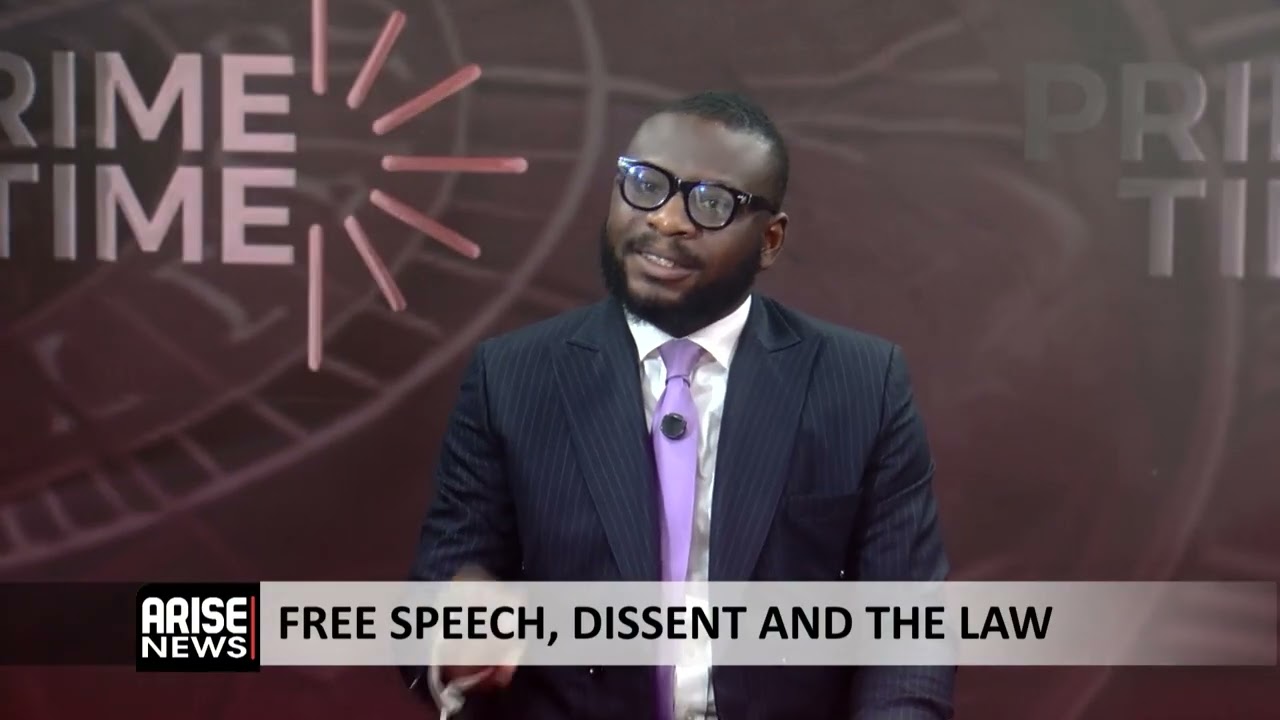
Speaking during an interview with ARISE News on Thursday, Musa, a former member of Sowore’s legal team, argued that the circumstances surrounding the revocation of the activist’s bail and his subsequent remand pointed to what he characterised as an increasingly hostile legal process.
Musa said he and some members of Sowore’s defence team withdrew from the case after concluding that the atmosphere surrounding the proceedings had become uncomfortable for both the defendant and his lawyers.
According to him, Sowore had consistently complied with court directives and attended scheduled proceedings, but tensions emerged after the court allegedly accused him of recording proceedings and subjected him to directives that he considered degrading.
“We were representing Omoyele Sowore from the beginning of the charge and the trial. But as proceedings continued, some of us in the legal team felt like the proceeding was becoming kind of hostile,” Musa said.
He further alleged that one member of the legal team was instructed by the judge to kneel during proceedings, describing the incident as one that contributed to the decision to withdraw from the case.
Addressing the court’s decision to revoke Sowore’s bail, Musa argued that the activist was not properly notified of the hearing at which the order was made and maintained that due process was not followed.
“The law is trite that a party who failed to attend a court proceeding cannot be penalised if he had not been served with a hearing notice,” he said.
Musa also criticised the manner in which operatives of the Department of State Services (DSS) took Sowore into custody inside the courtroom after the bail revocation order.
“The DSS had no business re-arresting Sowore. The court had ordered that his bail should be revoked and that he should be sent back to prison,” he said.
He further claimed that the conduct of the security operatives suggested that the case had evolved beyond a conventional criminal prosecution.
“What they did suggests that this is a political trial. It is not prosecution, but has transcended from the realm of prosecution to persecution,” Musa stated.
On the broader issue of free speech, Musa declined to comment directly on the substance of statements attributed to Sowore that form part of the cybercrime charges against him, citing the fact that the matter is before the court.
However, he argued that democratic societies must be willing to accommodate criticism, including views that may be unpopular or uncomfortable for those in power.
“The oxygen of democracy is criticism,” he said. “Democracy is tested not with the popularity of the government, but when the government of the day has the tolerance to accommodate unpopular voices.”
Musa also maintained that Sowore’s legal team believes the charges are linked to political speech and argued that the activist should be afforded the opportunity to fully defend himself before the court.
While expressing confidence that Sowore could still obtain justice within Nigeria’s judicial system, he said concerns remained about whether the case should continue before the current judge, insisting that justice must not only be done but must also be seen to be done.
He disclosed that an application seeking to set aside the order revoking Sowore’s bail is expected to be determined on June 30, adding that the outcome would influence the next legal steps available to the activist.
Ademide Adebayo
Follow us on:


